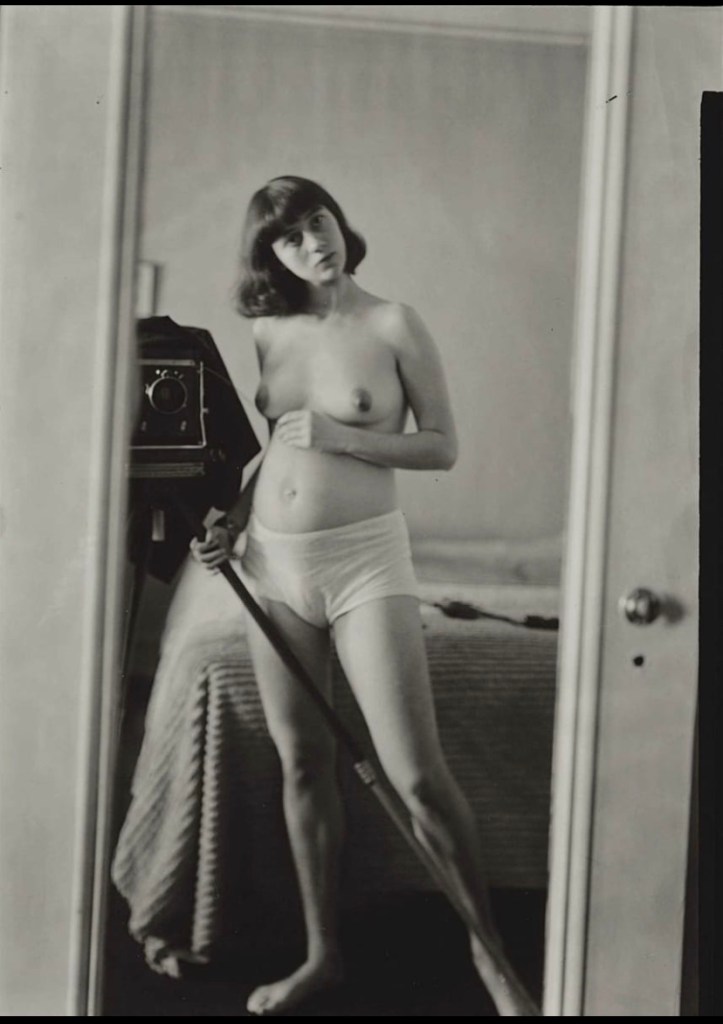
What I loved about Diane Arbus was the intimacy she captured in her portraits. She was able to make each photograph personal without causing it to become uncomfortable. She formed a connection with her subjects, understood and learned from them, which comes across extremely well in her photos. I admired how she explored the beauty of the female body, femininity and marginalized groups during a time where this would be deemed inappropriate and unheard of. She was not afraid to challenge gender and societal norms for the sake of photography. I was drawn to this femininity found in a lot of her photography, particularly in the female impersonators. As someone who is a member of the LGBTQ community, I loved how she exposed the world to this group of people and gave them a spotlight to unapologetically be themselves. She was able to look beyond these societal stereotypes and see the beauty hidden within. Another thing I loved about Diane Arbus was the use of black and white in her portraits. This lack of colour creates a raw and unfiltered side to the subjects, showing who they truly are and how they fit in with the world around them.
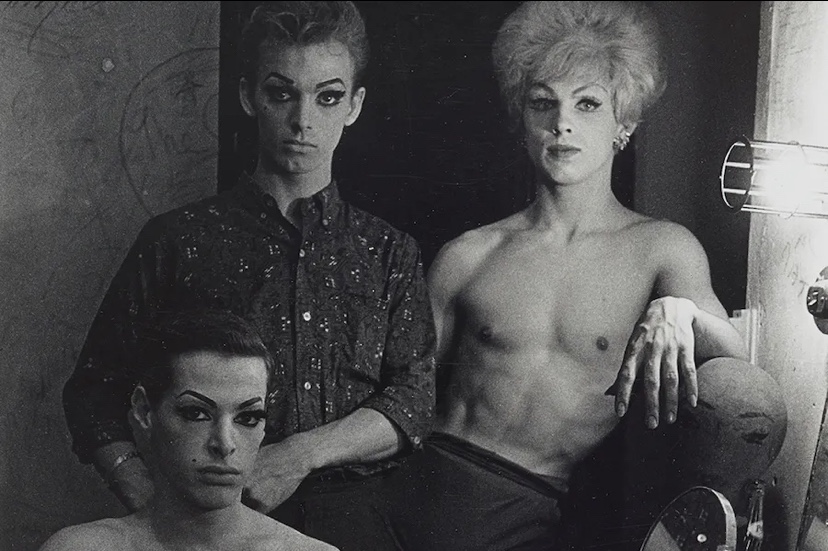
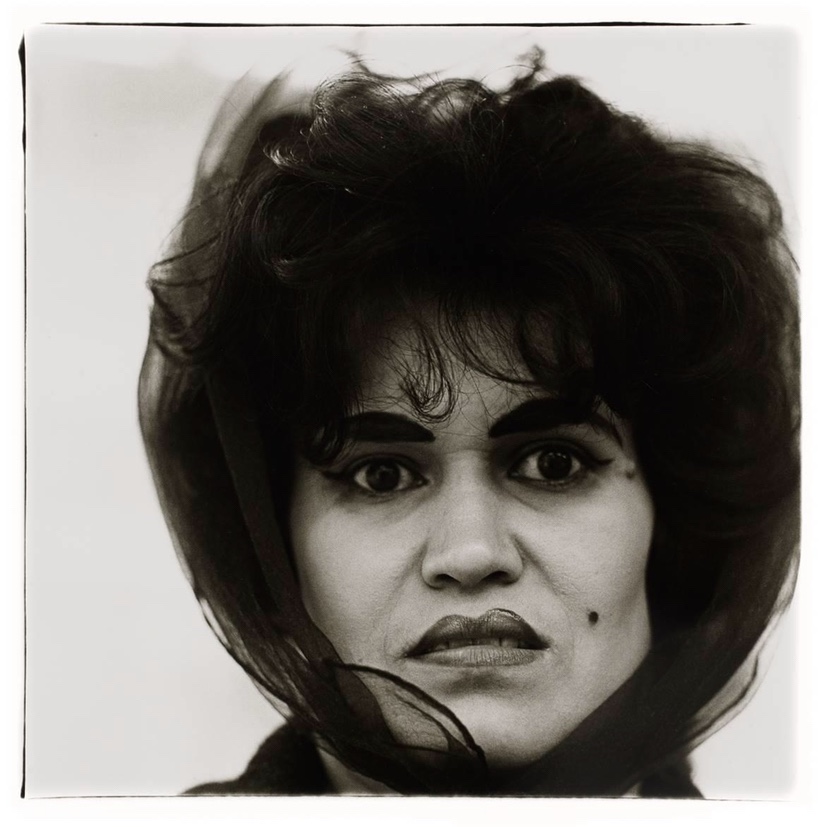
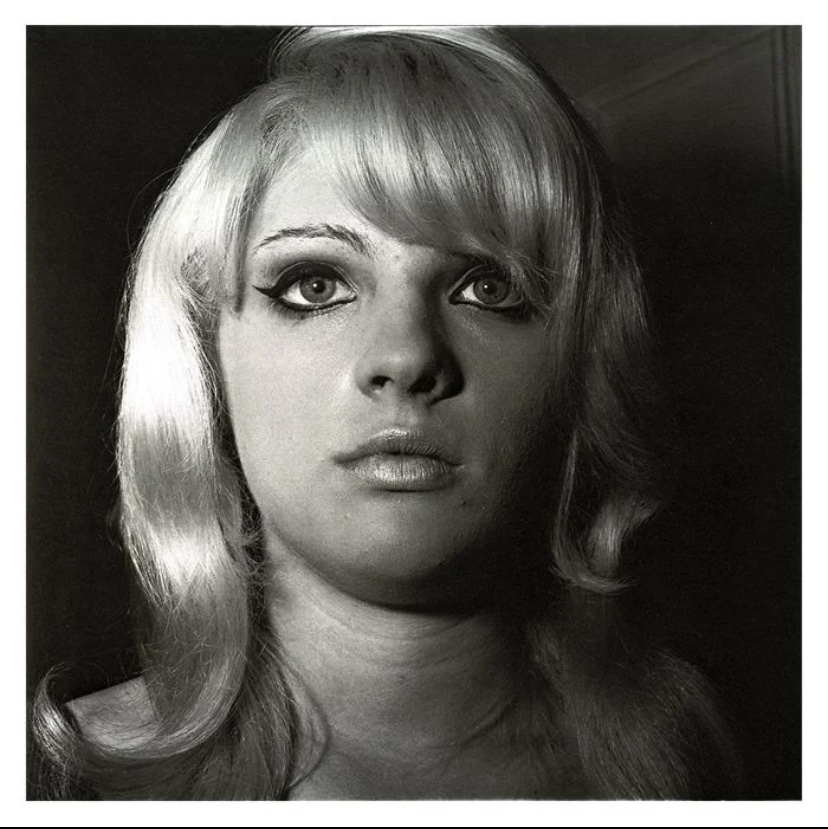
Despite Diane’s work being from the 1940s up to the 1970s, I still feel that it is extremely relevant today. Many people still view the female body as something that should be hidden away, as the thought of a woman being confident in her skin makes people uncomfortable. Men expressing their feminine side and marginalized groups simply existing, still create this sense of fear and unease in those who are unwilling to look past their prejudices and accept people’s differences. I believe that Diane was ahead of her time and if she was still alive today she would continue to break the mold, and create a positive impact through the exploration of these taboo topics.
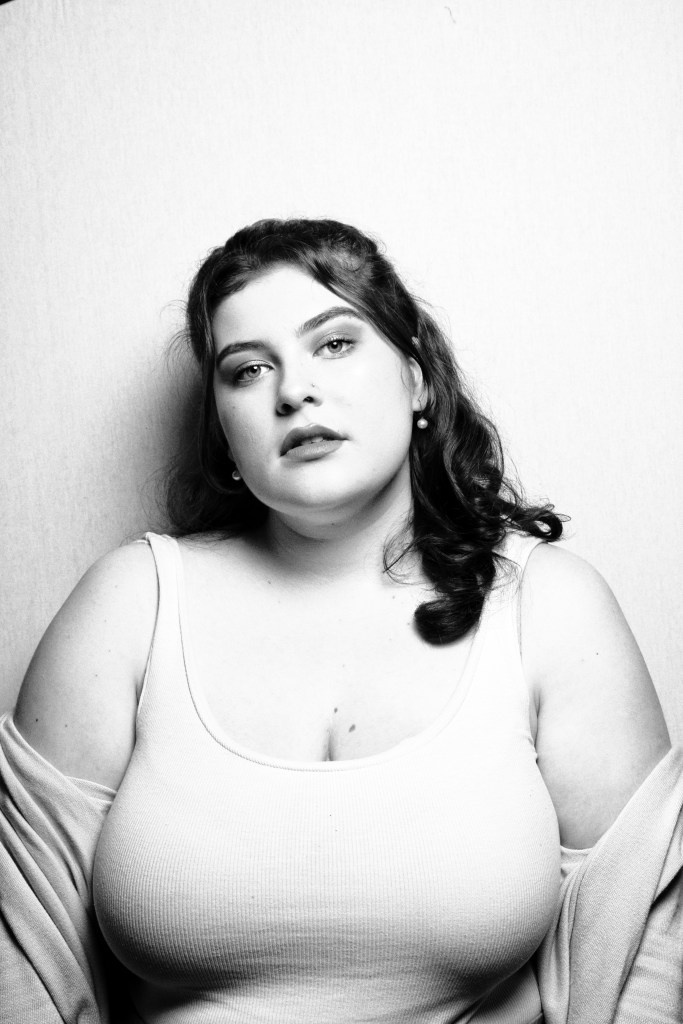
I attempted to create a self portrait inspired by the portraiture of Diane Arbus. My goal was to try and capture some of the intimacy and femininity found in a lot of her photography. I applied a black and white filter to further go along with the style of Diane Arbus’ work.


 Lisa Burke CM122