Breadcrumbs

Link to Proposal: https://lisaburkecm122.art.blog/2022/10/25/proposal-ca-breadcrumbs/

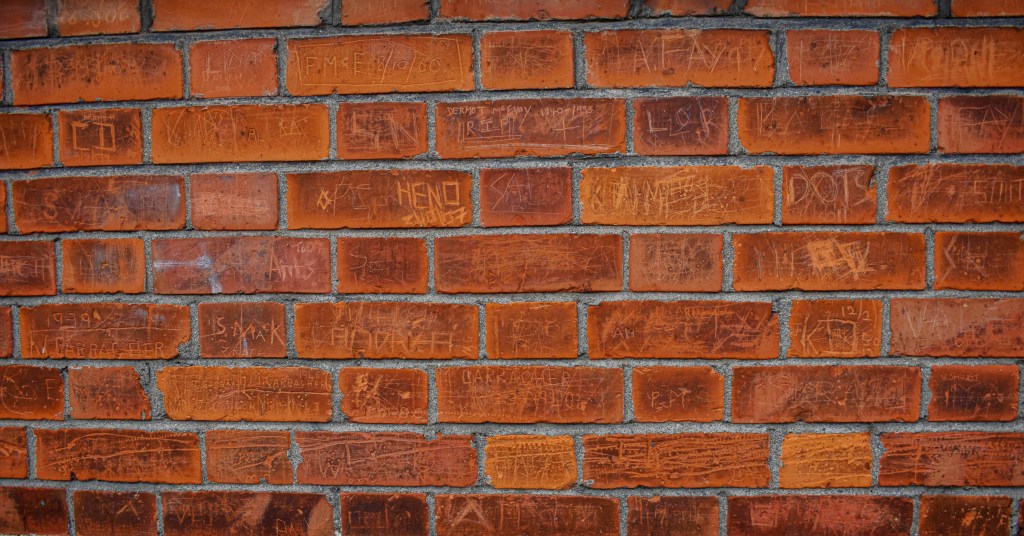
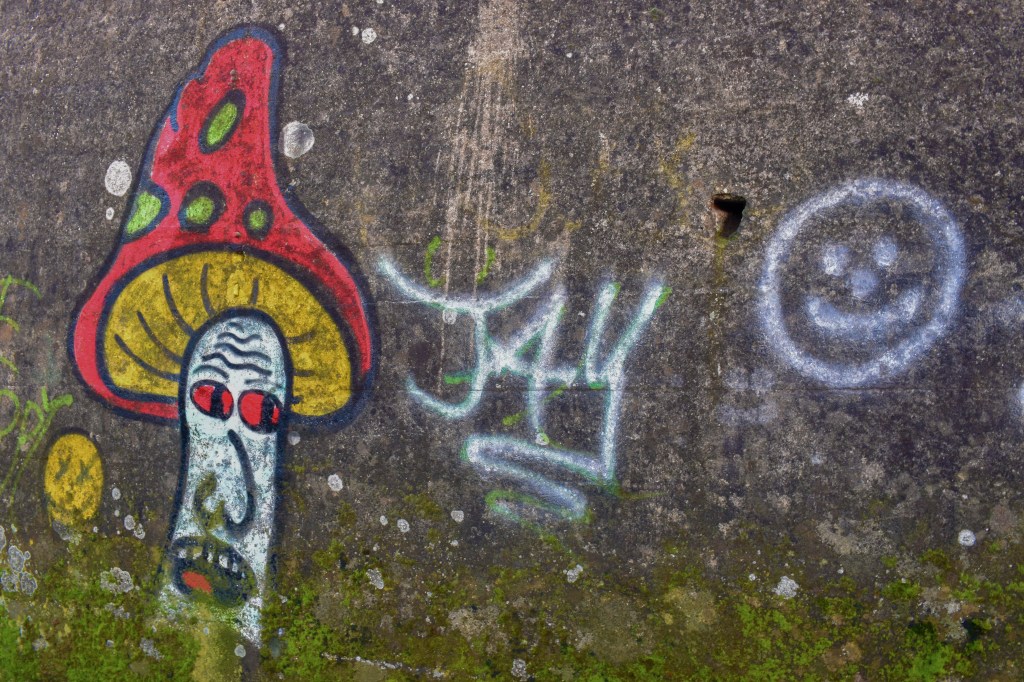
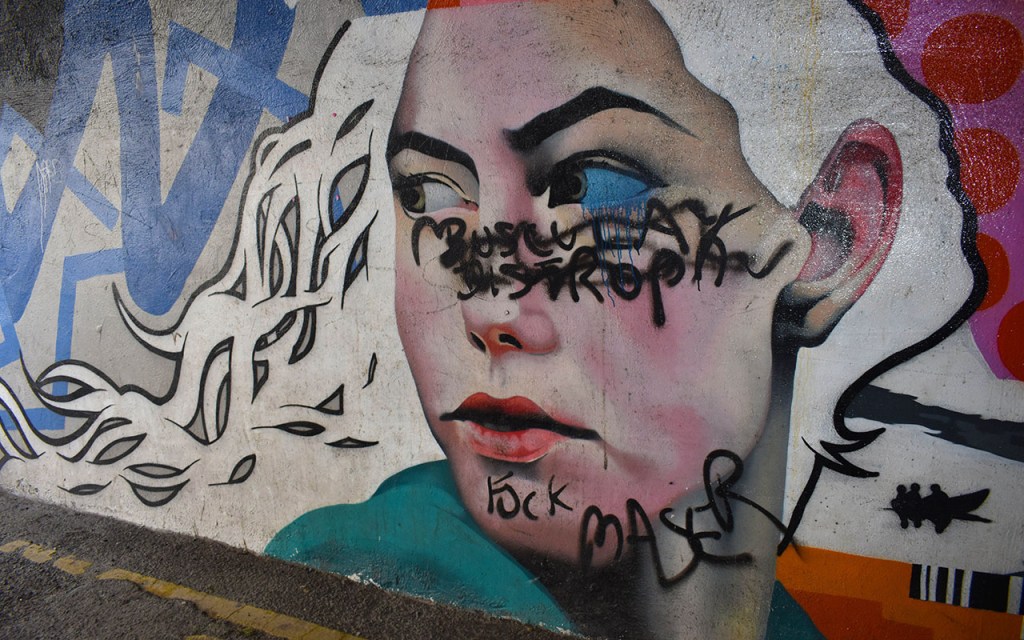
Human desire is a fascinating concept. The desire to be remembered and leave a mark in some way shape or form on the world is something that can be found in all of us. Graffiti is a visual representation of this desire and can be found in every corner of the world as long as their is civilization. These drawings and inscriptions form a trail of breadcrumbs of one’s existence, and tells the world that they were there.
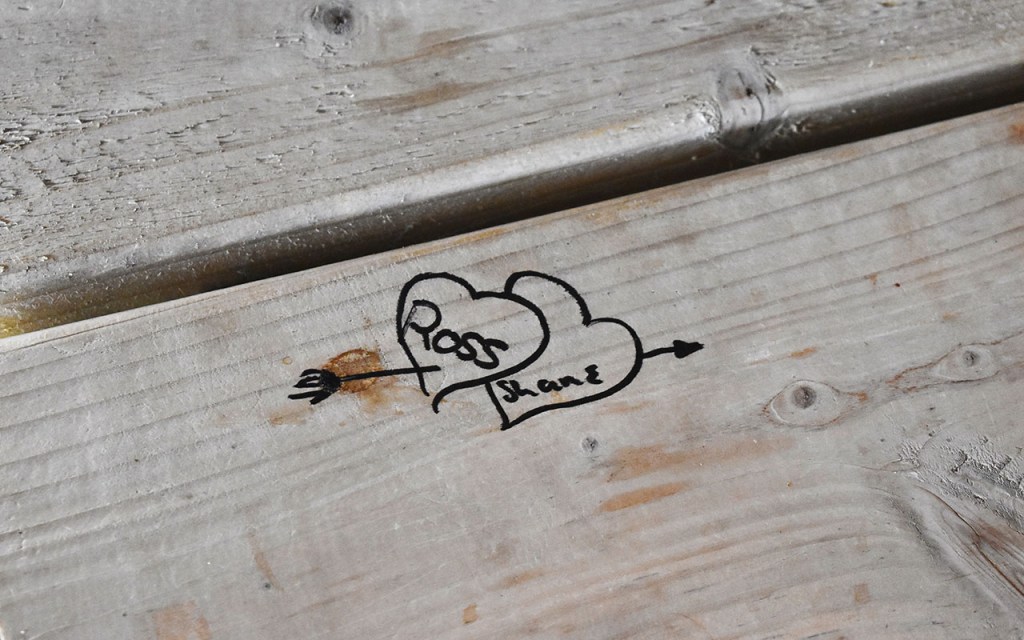
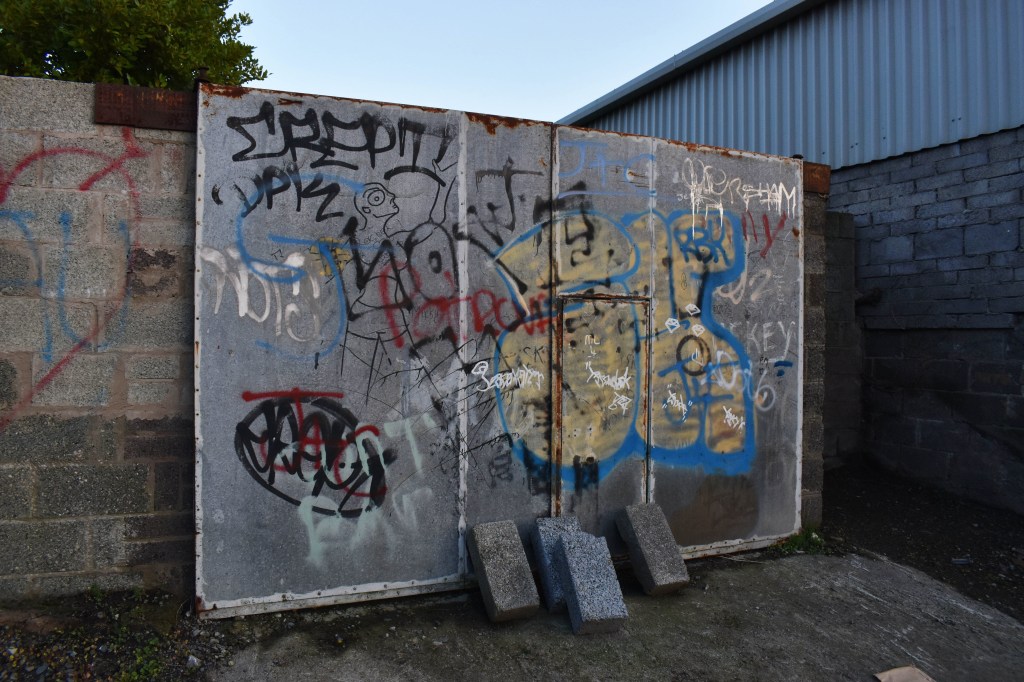
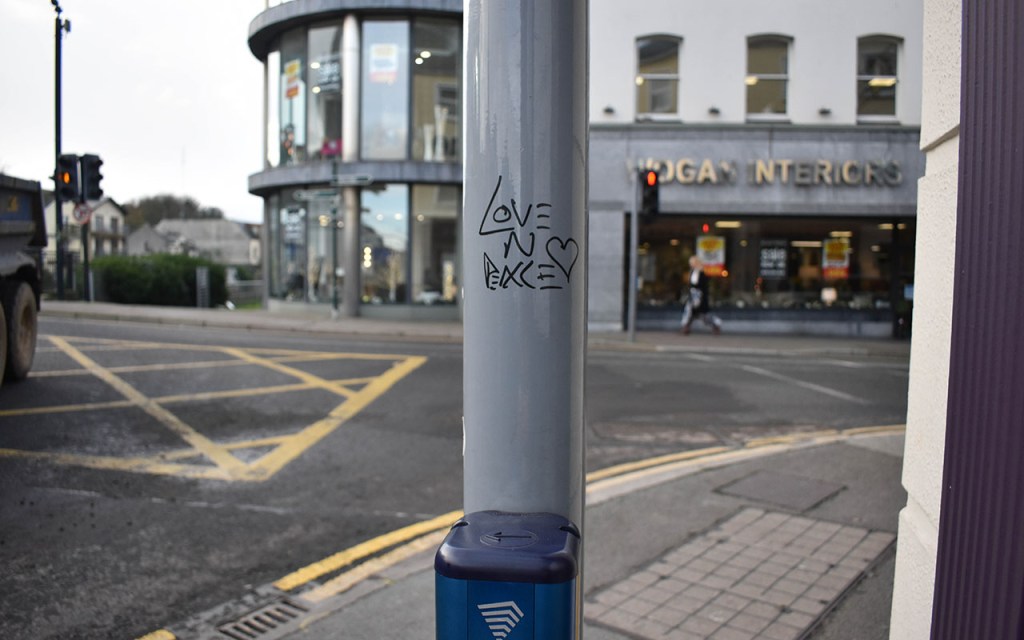
These breadcrumbs give us small snippets of information about the person and a brief insight of what they were like. It could be something simple like a crush that they have on someone or something more drastic like a political statement for human rights. Whatever it may be, it gives us a unique opportunity to understand this complete stranger’s ideas and opinions. We will most likely never know or meet the people responsible for leaving these messages behind, yet it still creates an oddly personal relationship between them and us.
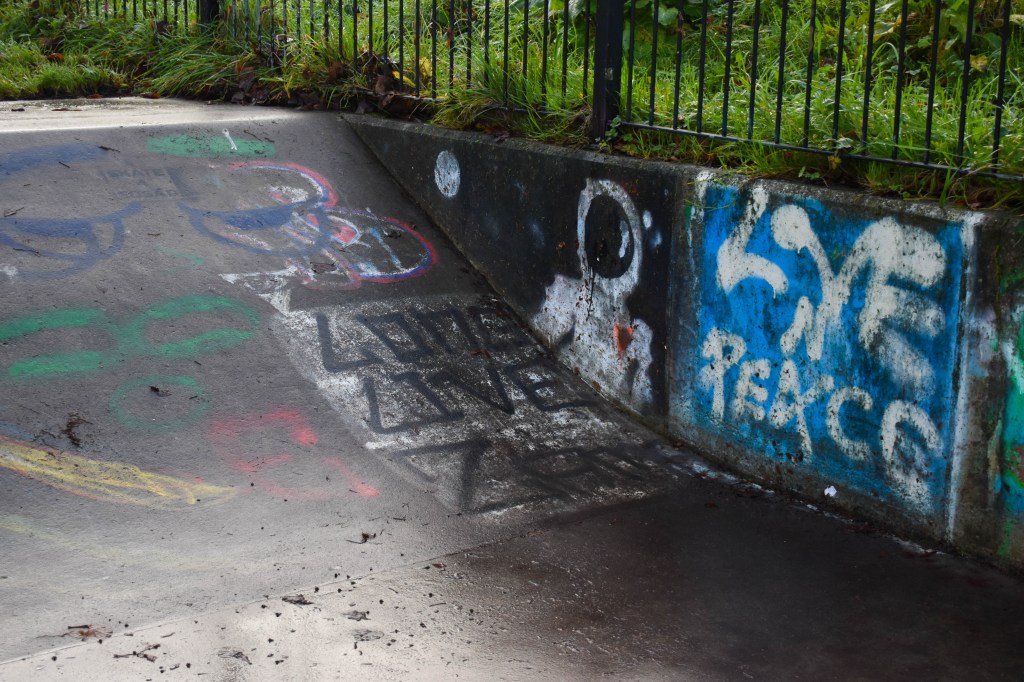

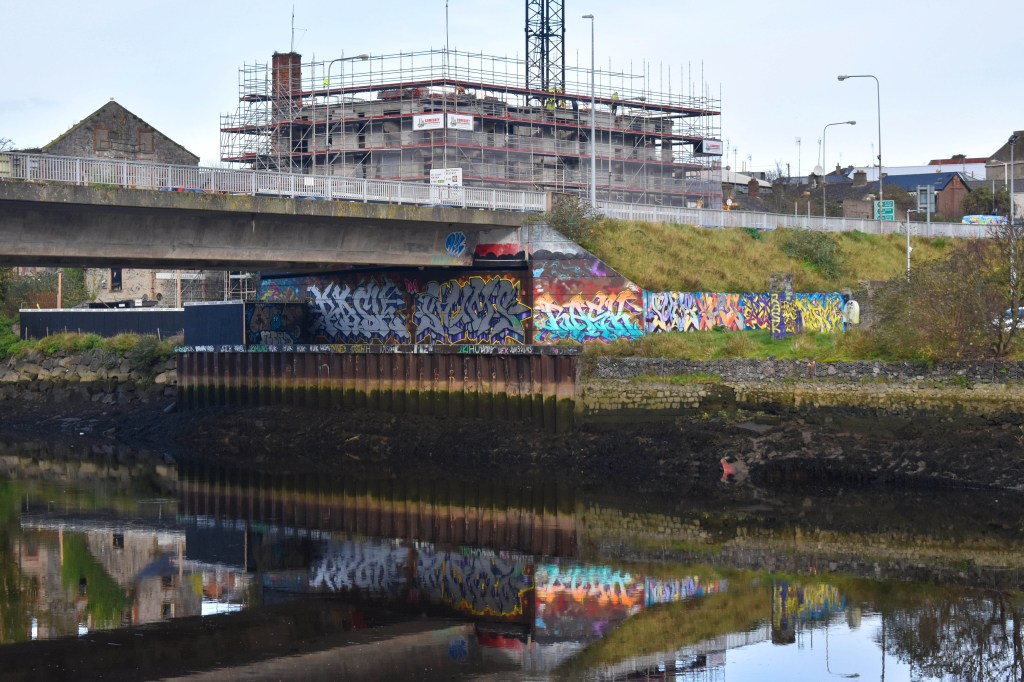
Carrying out this project made me realise that popular meeting points, such as skate parks and public parks, contained the most graffiti. Not only that but there was a more diverse range of the kinds of graffiti present. The most common group of people hanging out at these locations are young teens. A generation of people who are often criticized and unsure of themselves. Graffiti is an outlet for them, a form of rebellion that is extremely freeing.
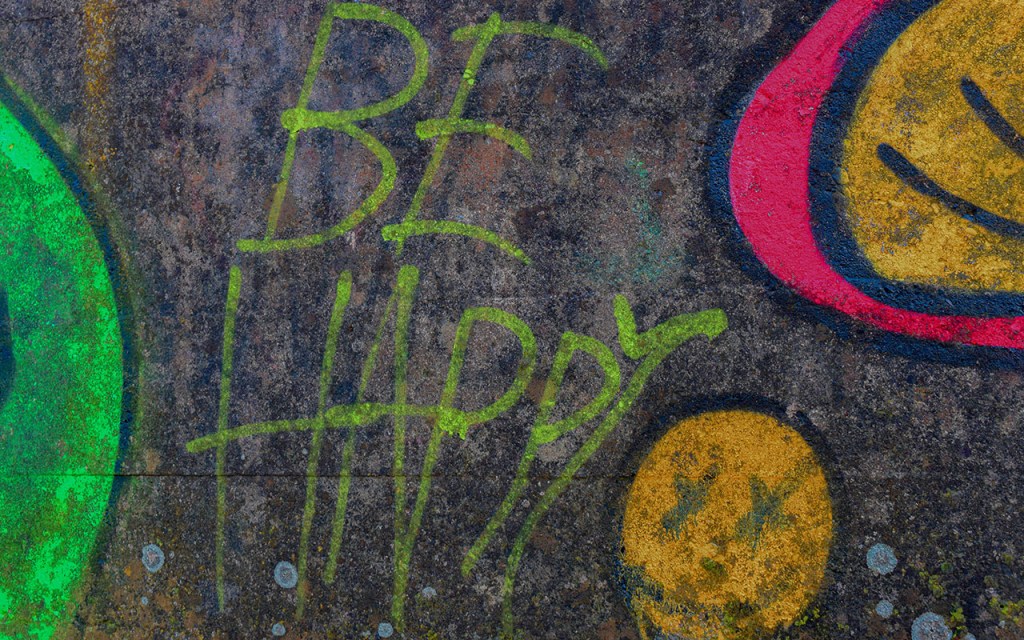
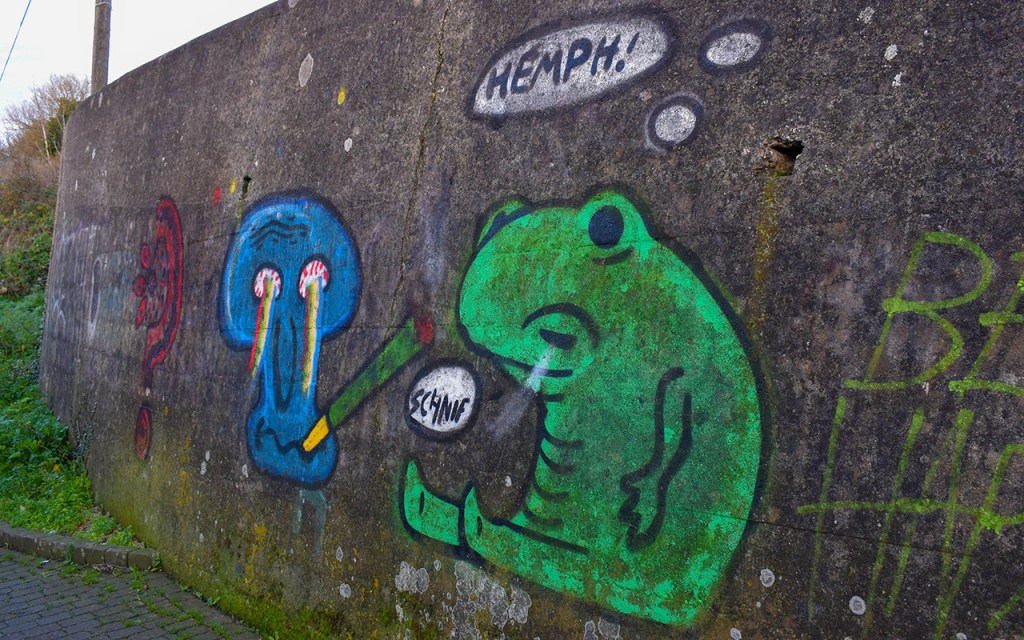
While many people find graffiti to be an eyesore, I find it to be captivating. In a world where everyone is expected to think, feel and act the same for the sake of conforming with gender and social norms, it’s better to break free and forge your own path, which is what graffiti allows you to do. Graffiti brightens up this dull world and breathes life into both the lungs of the planet and the lungs of the artist.
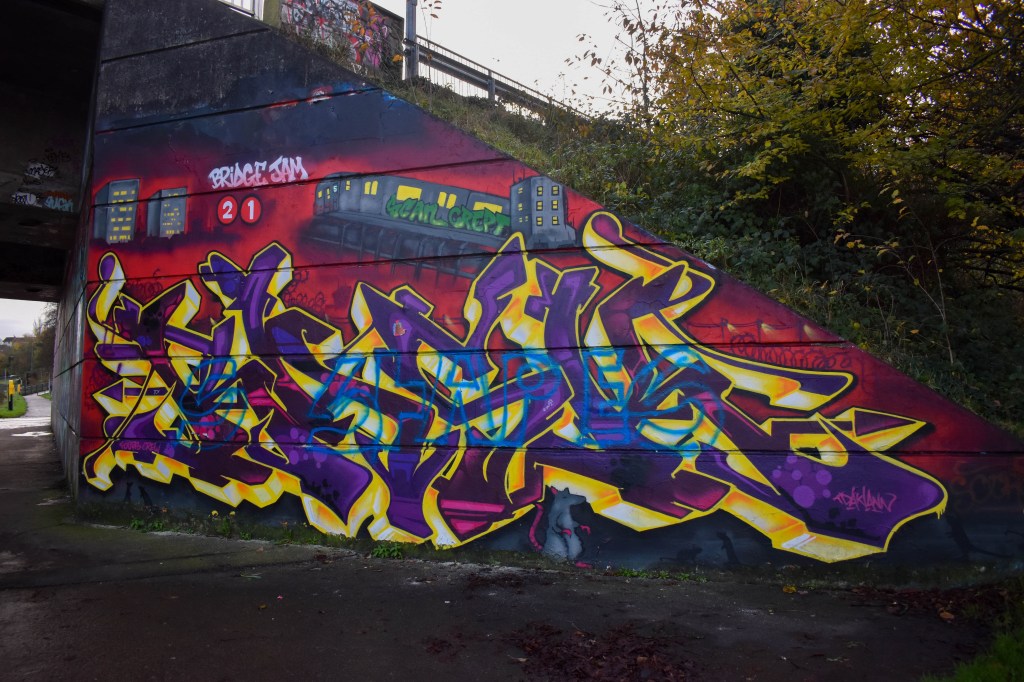
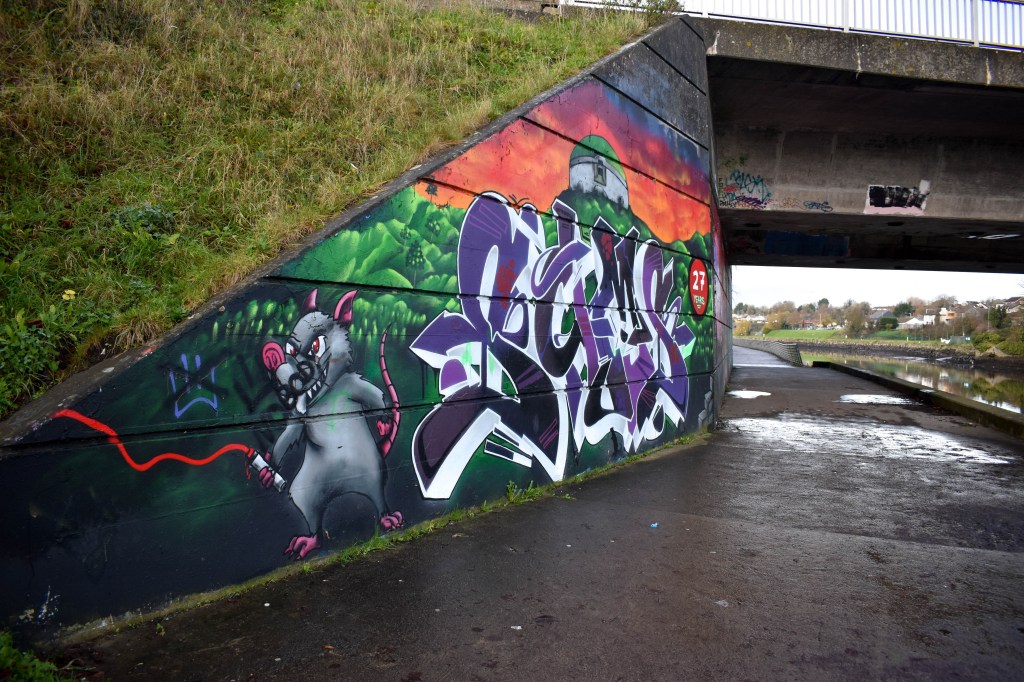
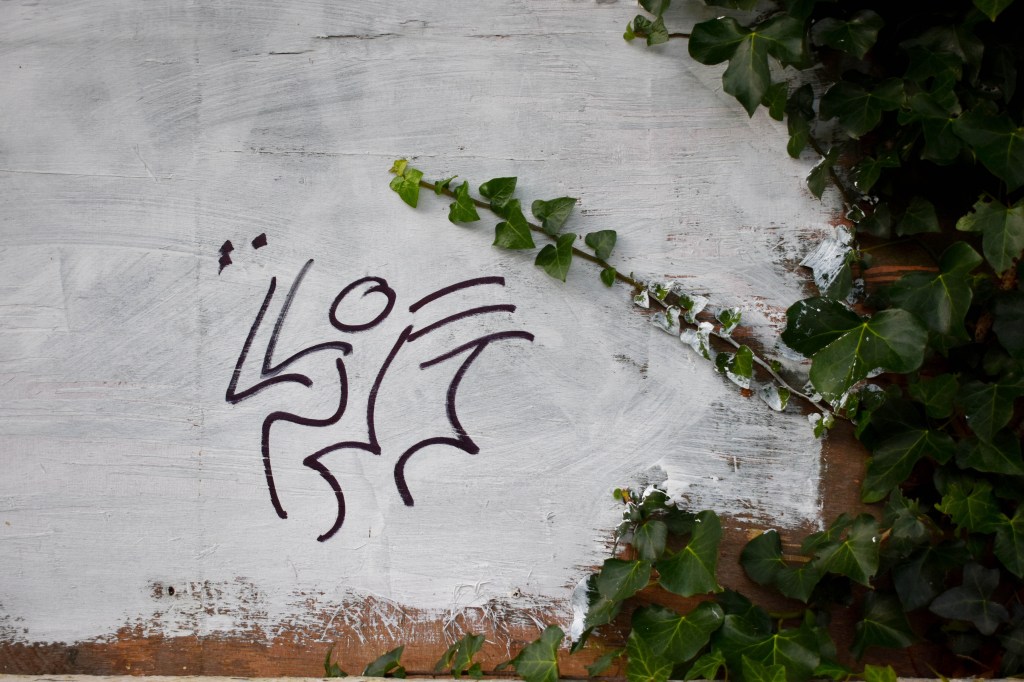
Finding remnants of inscriptions epigraphs and artist tags in obscure out of reach places is a wondrous feeling. You can sense the determination and dedication it took to achieve this task and you can’t help but admire it. In a way it feels like a reward for noticing these peculiar sightings. I can’t help but wonder how this person managed to pull off this accomplishment and what was their driving force behind it. Was it because of a dare? Were they alone or with a group? Was it an act of rebellion or did they just feel that this empty space needed a splash of life? We will never now but that makes the story behind these works more intriguing as it can be open to our own interpretation.
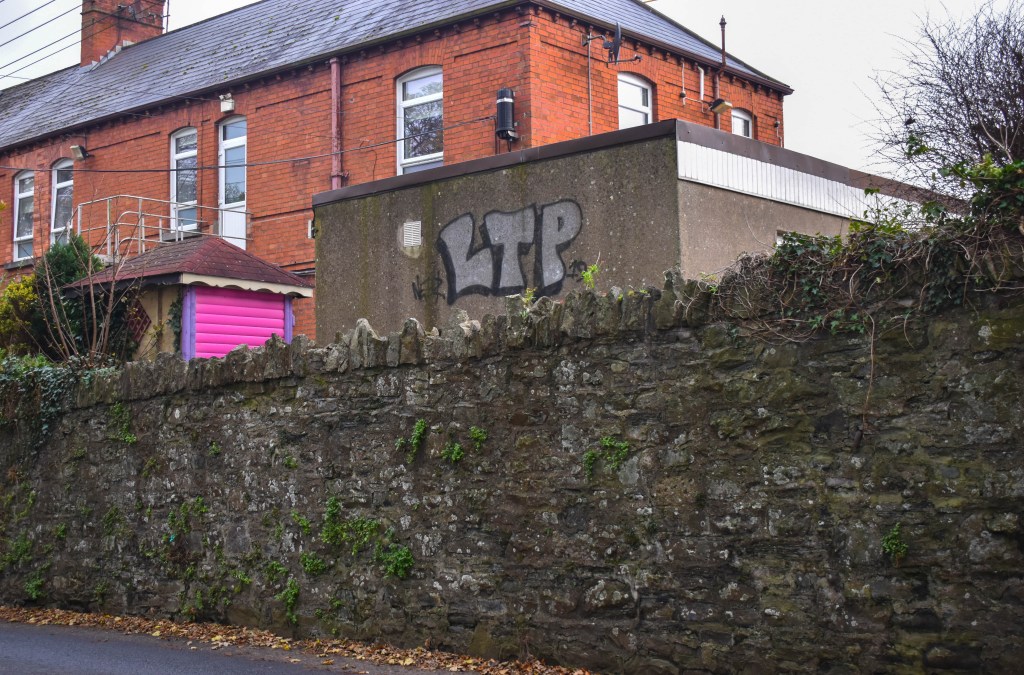
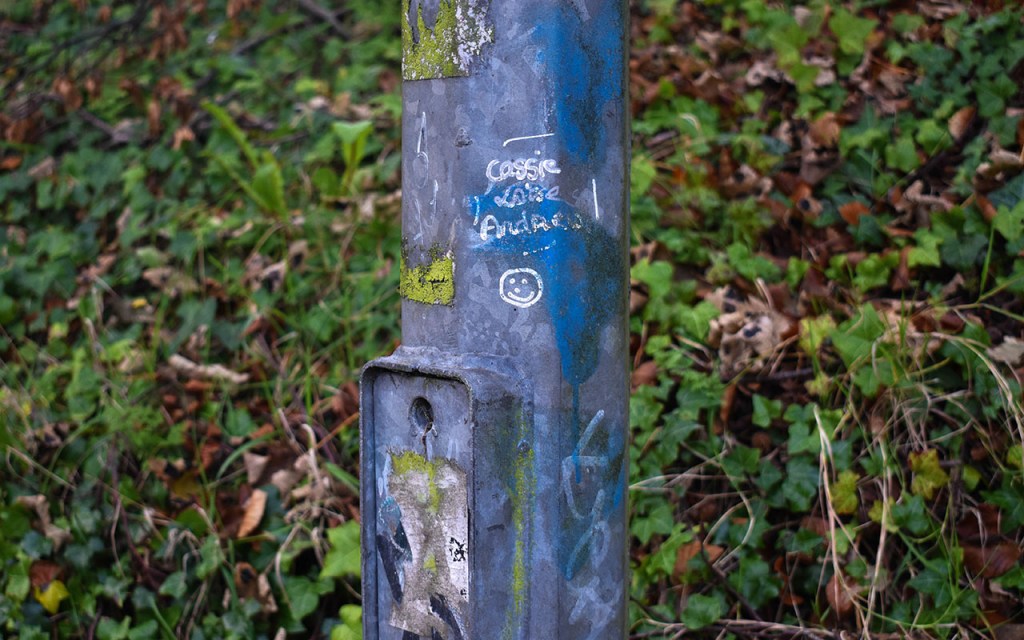
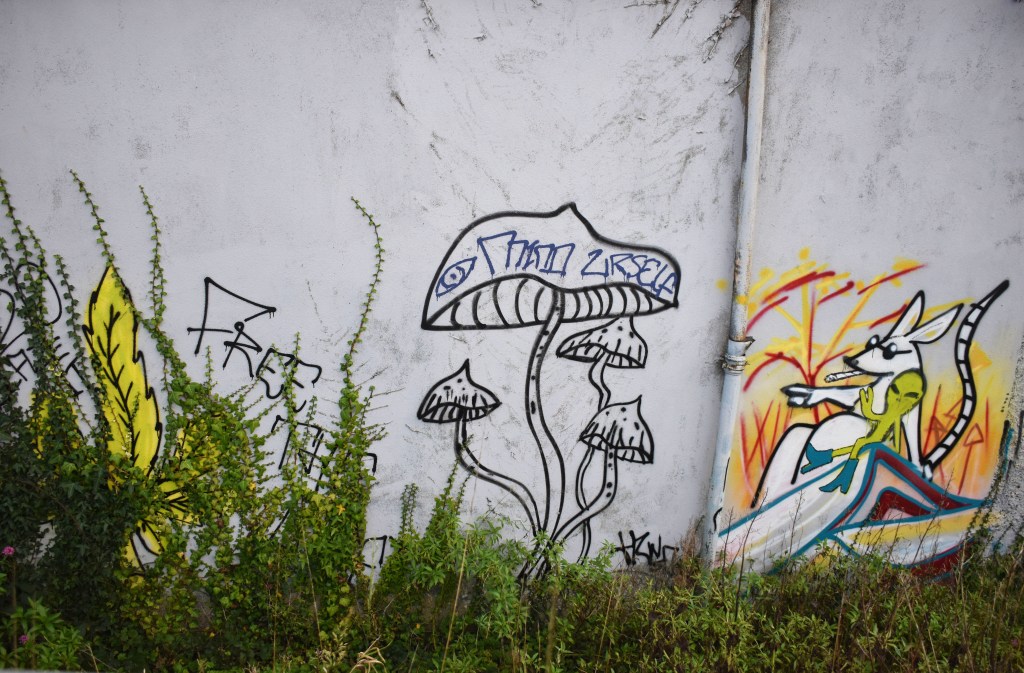
Graffiti and nature intertwine themselves in a beautiful way. Nature brings the art to life long after the artist has left, further solidifying their existence and mark that they left behind. At a glance it almost looks like nature is doing this on purpose, working hand in hand with the graffiti to elevate and promote each other in a symbiotic like relationship.
Right Place Right Time

In the third episode of “The Genius of Photography”, the topic of photojournalism throughout history is discussed. This idea of being in the right place at the right time is a key part of photography for photojournalism. If you are standing back on the sidelines then you are missing out on an opportunity to capture a groundbreaking image. Each photographer mentioned in this episode was at the right place at the right time and became an eyewitness to a moment of history. The documentary also highlights how being at the right place at the right time is not always a good thing. Many of these photographers are scarred and haunted by the images they saw. They could physically feel the pain and suffering displayed in these images.

Henri Cartier-Bresson

Henri Cartier-Bresson was described as “The Godfather of Photography”. He was a French humanist street photographer and was also one of the founders of the Magnum Photography Agency. He had a sixth sense for when things were going to happen and was always ready with his camera to get the perfect shot. His photo “Gare Saint-Lazare” is his most famous piece of work. This photo transformed photography and influenced many other photographers to try to be in the right place at the right time before taking a photo.

A man jumps from a wooden ladder. Paris France. 1932

Robert Capa

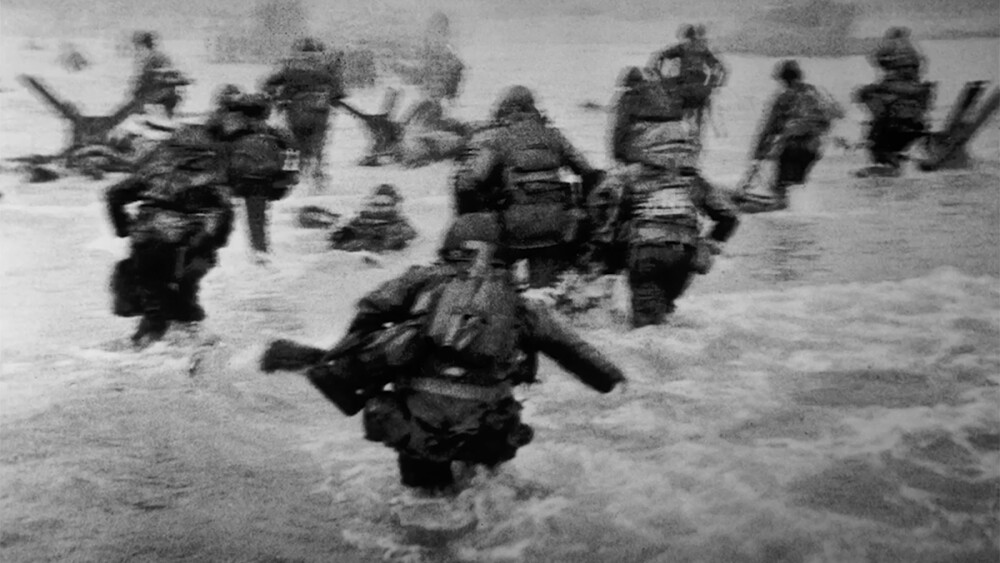
Robert Capa was a Hungarian American war photographer. Despite despising war he was always part of the action, ready to capture moments that truly defined how brutal is. He photographed many wars throughout history such as the Spanish Civil War and World War II. He was an eyewitness to the allied victories in north Africa, the Normandy landings, the Allied capture of Leipzig and many other key moments in history. Robert Capa’s two rules for photojournalism was get close and then get closer.

Moving towards the D-Day beach

Shomei Tomatsu

Shomei Tomatsu was considered to be one of the most influential Japanese photographers to emerge from post-war Japan. He is famous for his photographs showing how World war II impacted Japan, especially Hiroshima and Nagasaki, sixteen years later. There wasn’t any images of the aftermath of the war on Japan, and so Tomatsu made it his mission to document this tragedy. He found places and artefacts that had survived the bombings, as evidence of what was left behind.

Angel Shattered by the Atomic Bomb at Urakami Cathedral, Nagasaki from Nagasaki 11:02, 1961

Henryk Ross

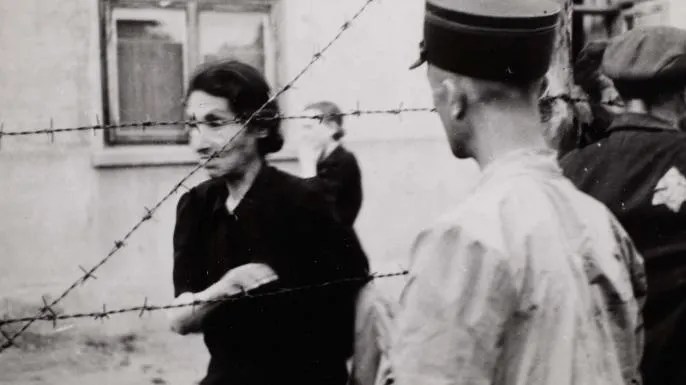
Henryk Ross, who was Polish and of Jewish heritage, worked for the Polish Press as a photographer before WWII. When WWII broke out Ross was living in Lodz and was employed by the Jewish Administration to photograph propaganda of the ghetto. Despite being a propaganda photographer, Ross also photographed what was really going on and kept a record of it. Ross’s work revealed the harrowing truth of what the Jewish people had to go through in these concentration camps.

Ghetto police with woman behind barbed wire, 1940-1944

About me

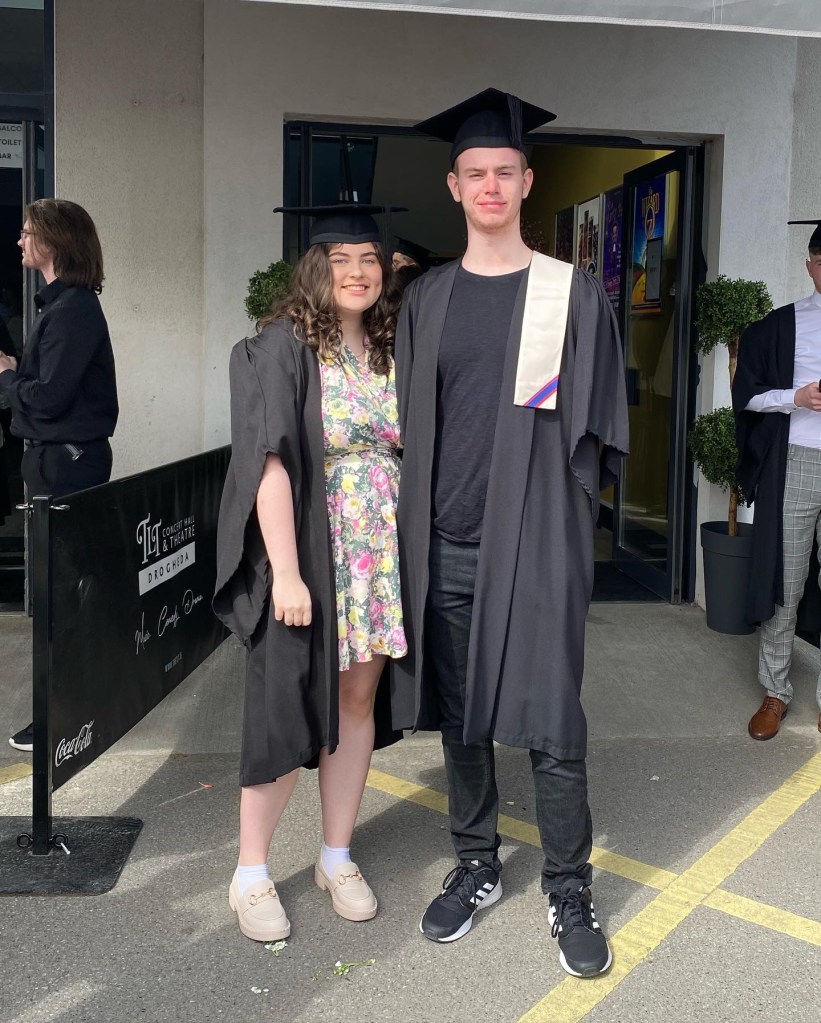
My name is Lisa Burke. I’m 20 years old studying Multimedia at DCU. I graduated secondary school in 2021 and did a PLC afterwards in Multimedia and Photography. I am from Drogheda in Co. Louth and live with my mam and dad. I have no siblings but I do have a cat named Murphy.

In my free time I enjoy listening to artists such as Harry Styles, BTS, Dua Lipa, Hayley Kyoko, Twice and Arctic Monkeys. I love going to concerts and on a night out with my friends. I love video games like Stardew valley, Animal Crossing, Zelda and Mario. My favourite movies are from the company Studio Ghibli, particularly “Spirited Away” and “Howl’s Moving Castle”.

I’m passionate about photography, makeup, art and fashion. I enjoy creativity, and I hope to perfect and improve on these passions over time.

We are Family

BBC documentary “We are family”, which is part of the series “The Genius of Photography”, explores personal relationships through photography and focuses mainly on portraiture photography. This documentary also focuses on what happens when photographers turn the camera on themselves rather then on a subject. The documentary highlights the struggles that photographers go through and how photography as a whole can bring people together like a family.

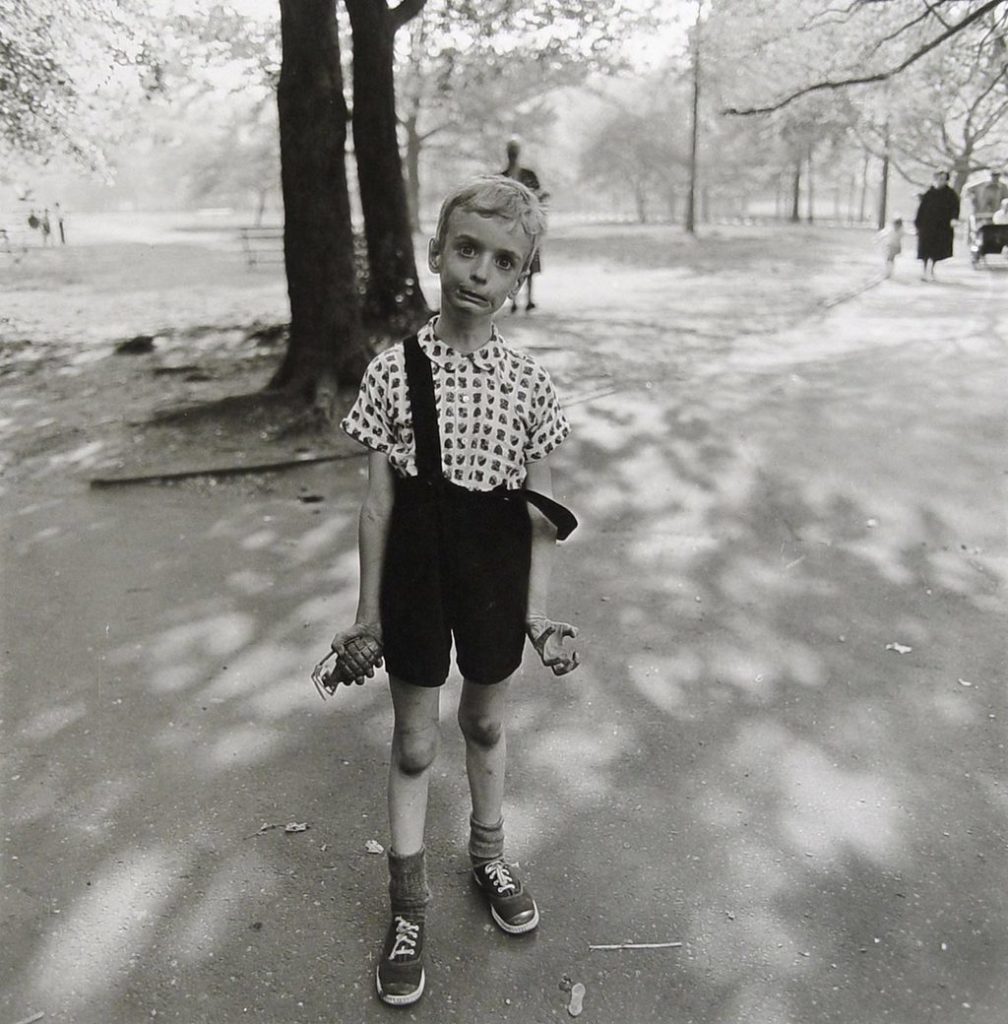
Diane Arbus was the person who stood out to me the most in the documentary. Her portraiture photography earned her the reputation of one of the most controversial and greatest portrait photographer of all time. Arbus was curious about her subjects, and I believe she had this curiosity because she saw herself in these subjects. Arbus would actively seek out people who reflected parts of herself, such as her anxieties, insecurities, fears and vulnerabilities. She despised herself and used her subjects as a form of escapism. Nan Goldin stated “The degree of empathy she had was because she desperately didn’t want to be herself”, which explains why Arbus had such an emotional connection to her subjects because she believed she was photographing herself in a way.

Child with a toy hand grenade in Central Park, N.Y.C., 1962,

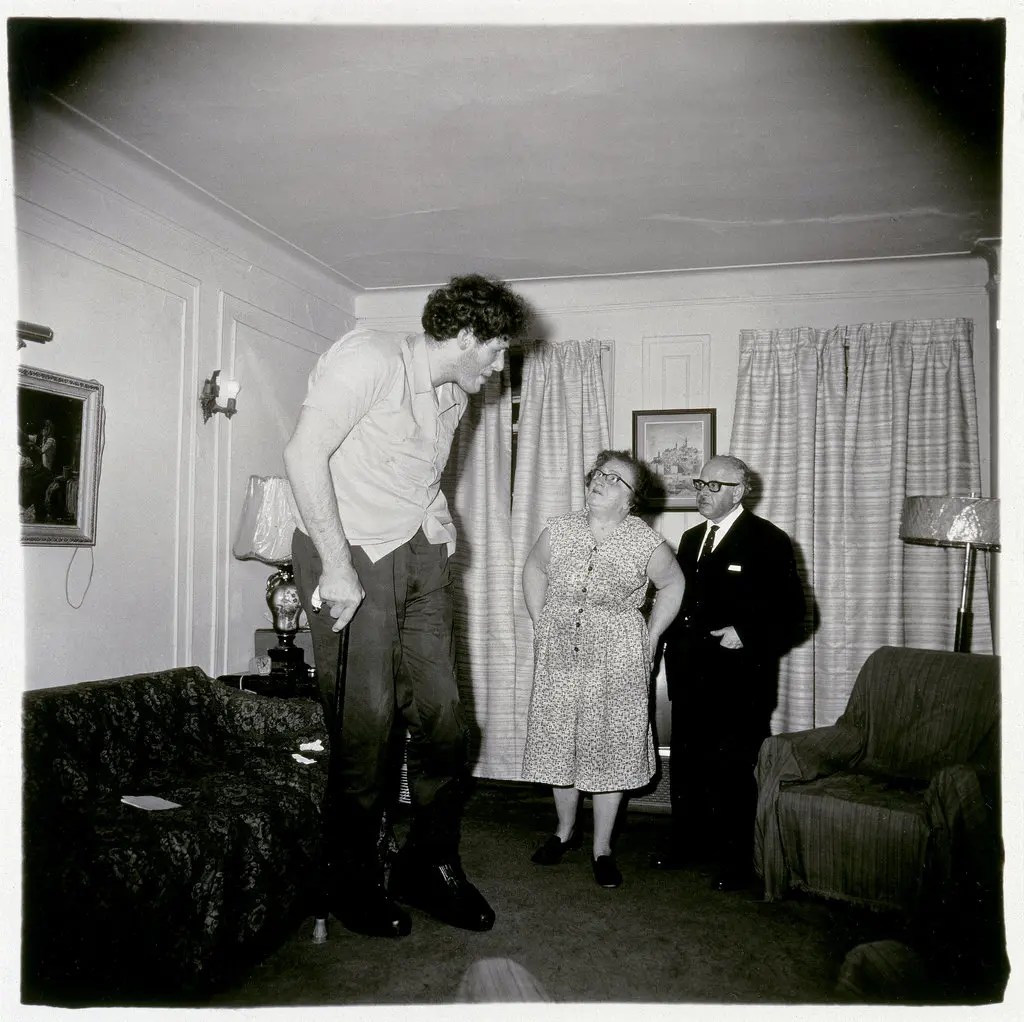
Arbus was drawn to the marginalized groups and outcasts of society. These people were easy to photograph as they were out in the open on the streets. Despite being out in the open people would choose to pretend they didn’t exist and that they couldn’t see them, however Arbus saw them. She chose to look at this particular group of people through a lens and captured their raw essence. Arbus strongly believed that photography had the power to steal and exploit other people’s lives. In a way Arbus could be seen as being selfish as she wasn’t exploiting theses marginalized groups for the public but for herself. She wanted to become the people she photographed as a way to leaver her own life behind. While everyone else described these outcasts as freaks she described them as aristocrats, as she thought they had already passed life’s test.

A Jewish giant at home with his parents, in the Bronx, N.Y., 1970,

Arbus was very soft spoken. She spoke so quietly that people had to lean in to listen to what she was saying. This worked out well for Arbus as this tactic captivated her subjects and made them want to be a part of her work. They found her intriguing and wanted to understand her just like she would try and understand them.

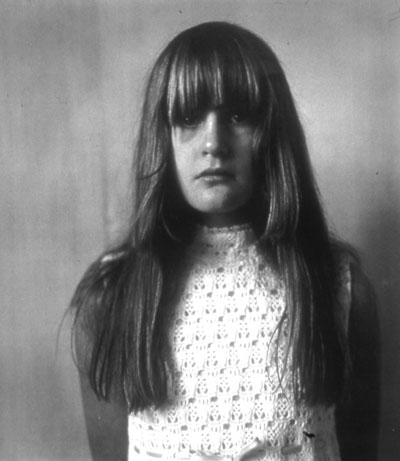
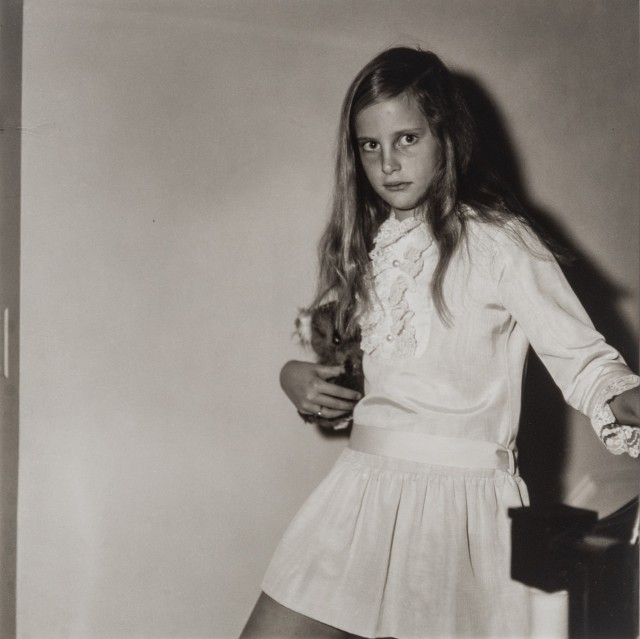
When Arbus would photograph her subjects she rarely gave them any direction. She would allow them to present themselves as how they are right in that moment. This could be seen when she was hired by the Mathaei family. The Mathaei family were quite wealthy and despite what people told them about the kind of photography Arbus did, they still decided to hire her. It was obvious in the pictures that Arbus favoured the children as her subjects rather then the adults. The reason for this being that children are more honest with their emotions. They let you know exactly how they are feeling in front of the camera which is what Arbus wanted to be seen in her portraiture.

Marcella Matthaei, standing, aged 11
Leslie Matthaei

Paper Movies

Paper movies is a BBC documentary from the series “The Genius of Photography”. This documentary focuses on many different photographers in the 20th century and how their influence contributed to the golden age of photography. There are many extraordinary photographs talked about in this documentary but the one who stood out to me the most was William Klein.

William klein was a photographer who lived in Paris for six years training as an artist before returning to his roots in New York City. Klein specialized in street photography, particularly the busy streets of New York. He wasn’t afraid to approach strangers and direct them to create a unique and captivating photo. Because of this approach he earned the reputation of being an aggressive photographer in the streets.

Do it yourself, New York, 1955

What I admired most about Klein was how he used things such as cropping and framing to change and mold the meaning of the image. Klein stated that the difference between drawing a portrait and photography is the accidents. Photography doesn’t have to be perfect and that’s what makes it beautiful. Klein’s photography wasn’t perfect, smudges, thumbprints and blurriness contributed in making Klien’s work stand out and be memorable.

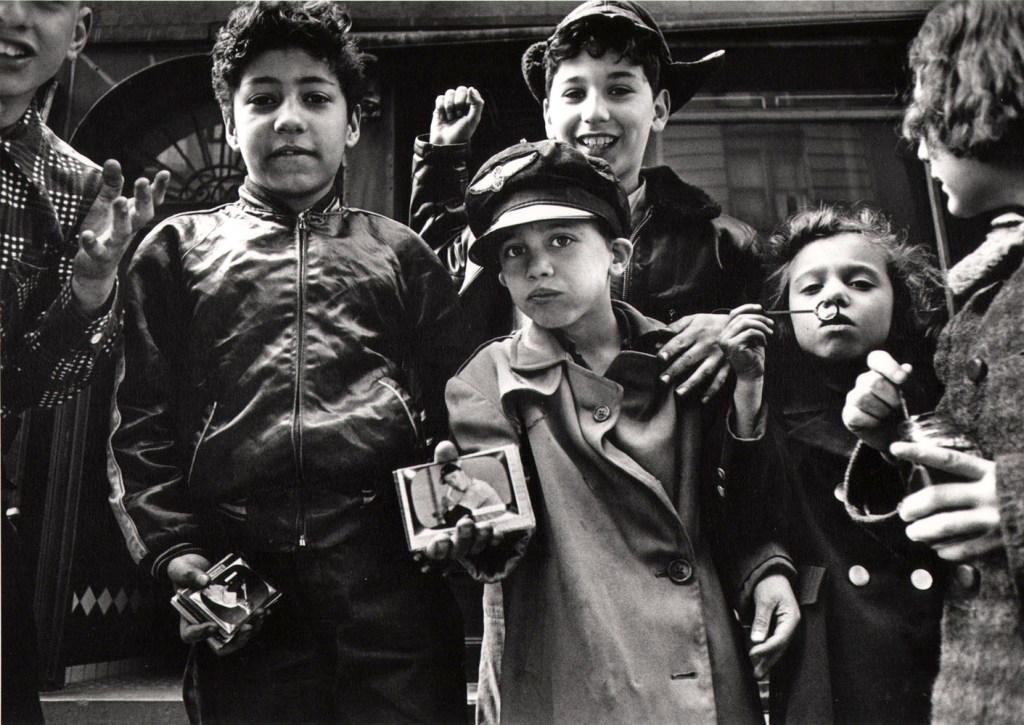
Baseball cards, Bubbles, 1955

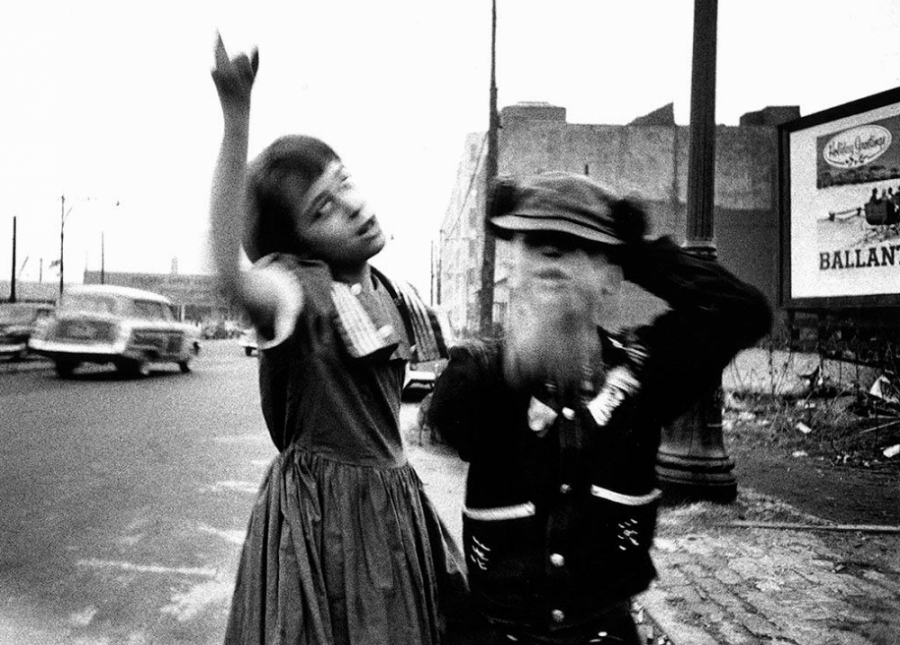
Klein was able to engage with his subjects and bring out their real side. This can be seen in his image “Dance in Brooklyn”, where he asked two children who were playing in the street to dance. This resulted in a blurry image that perfectly captures the moment. Had this picture turned out perfect and clear it would not have had the same effect.

Dance in Brooklyn, New York 1955

Another Image that conveys Klien’s ability to engage with his subjects is in the photo “Gun 1, New York 1954. Klien encountered two kids playing cops and robbers on the street and told them to look tough for the camera. One boy pointed his gun at the camera pulling an angry fave, while the other boy looked shy and timid. Klien stated that the image felt like he was looking into a self portrait. He could relate to both boys in the photo, despite them being polar opposites of one another. I admired how Klien could relate to his subjects and see himself reflected in the images.

Gun 1, New York, 1954

Exposure Exercise

How do you achieve shallow depth of field on a DSLR camera?

Shallow depth of field is where the subject is in focus and everything else is not in focus. This can be achieved by setting the aperture to a low f number. The lower the aperture the shallower the depth of field will be.

How do you achieve the panning effect on a DSLR camera?

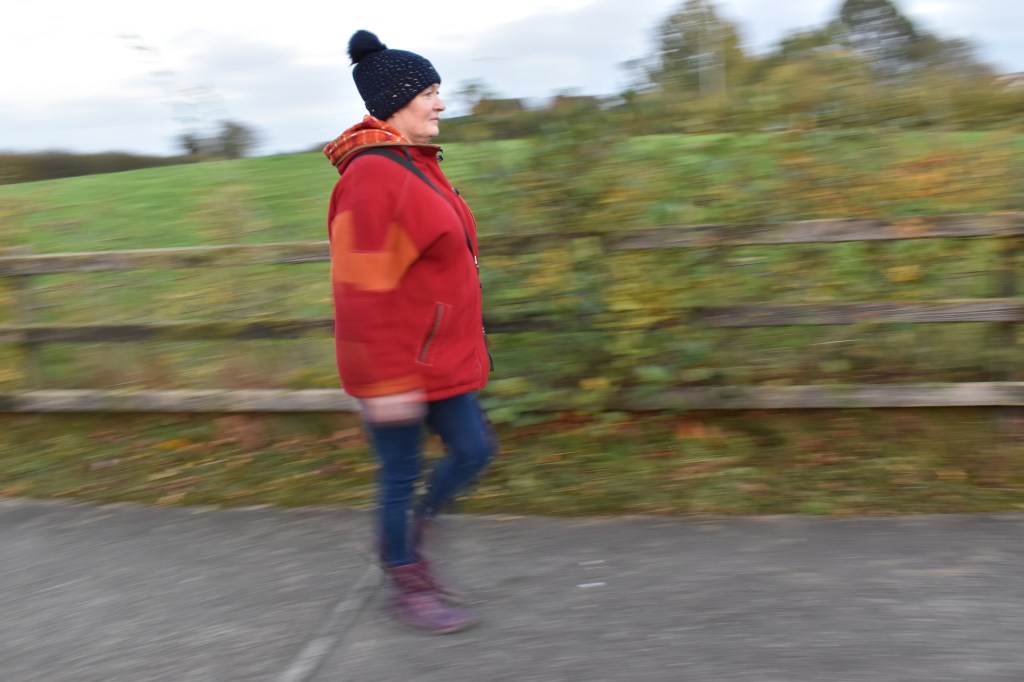
Panning is were the subject is in focus against a blurry background. This can be achieved by following a moving subject with the camera and taking the photo. The camera should be set to a low shutter speed, for example 1/20, to achieve this.

What is Iso?

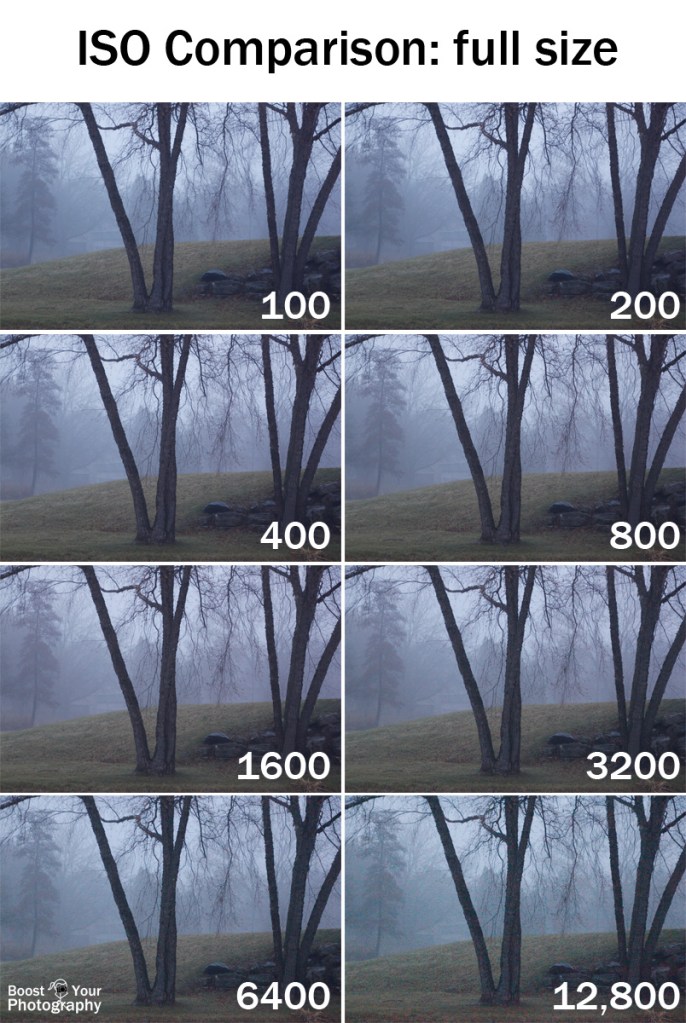
ISO controls the cameras exposure. It is the camera’s sensitivity to light. A low ISO will help you photograph in bright lighting, and a high ISO will help you photograph in low lighting. While using a high ISO will help brighten up a picture, if it is at a very high ISO number it could cause the image to became noisy and grainy.

Photoshop CA

For my proposal photo I used the healing brush tool to edit out some of the leaves. I used a hue and saturation adjustment layer to increase the saturation and vibrancy of the image. I also cropped the image to remove distractions.

Before
After

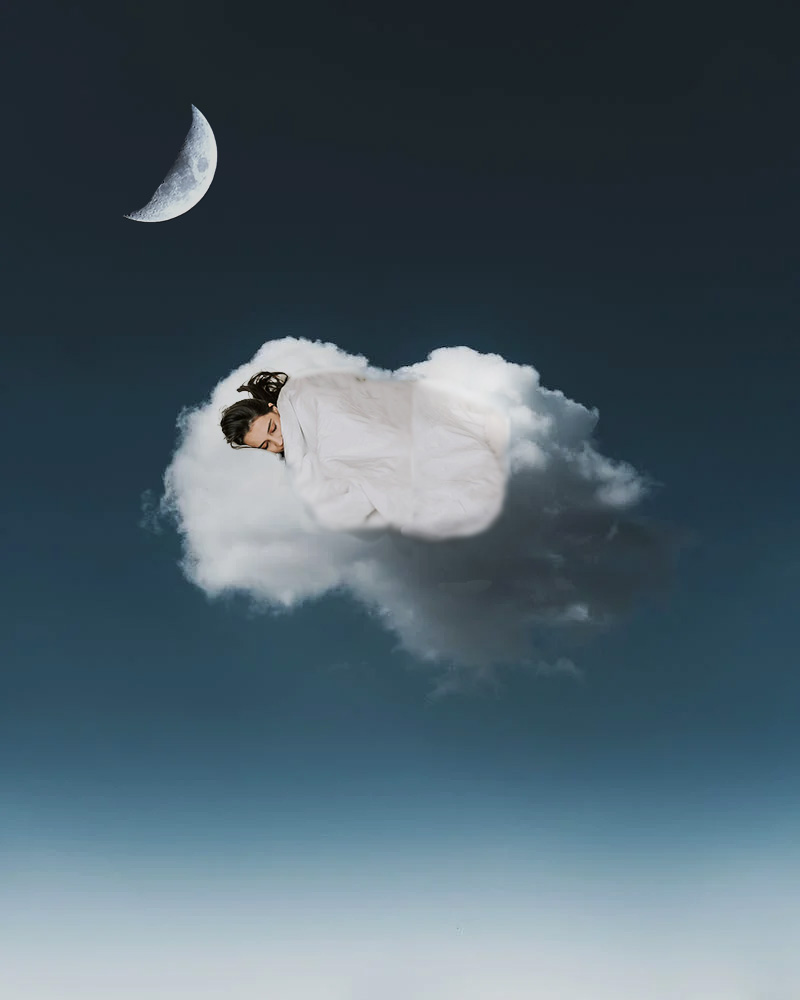
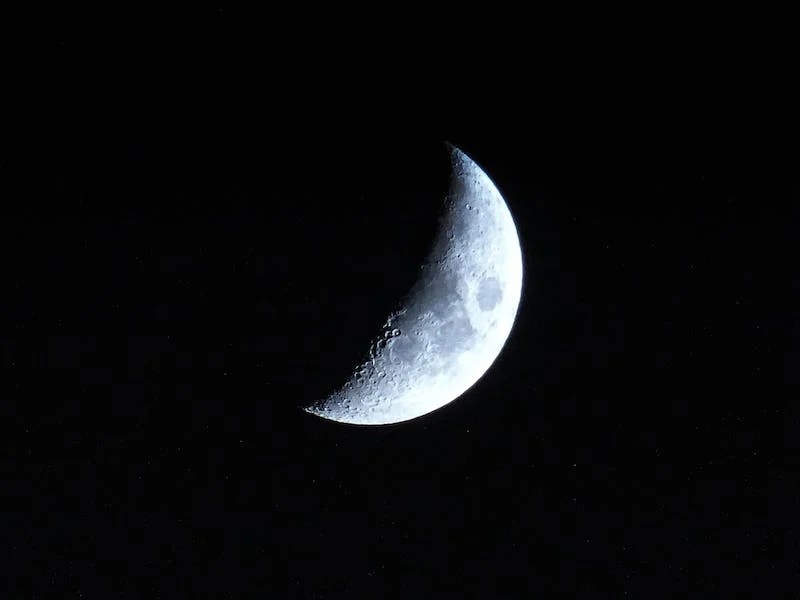
For my blended photoshop image I downloaded images off of http://www.pexels.com. I tried my best to create an image of a girl sleeping on a cloud by using select and mask, feathering, adjustment layers and the blur tool.

Blended photoshop image

The Magnum Photo Agency

1. The number of photographers is 99.

2. The number of white photographers is 84 and the number of non white photographers is 15.

3. The number of male photographers is 86 and the number of female photographers is 13.

4. The percentage of male photographers is 70%.

5. The percentage of photographers who are women of color is 1%.

These statistics tell us that the majority of Magnum photographers are male and white. These two factors reveal that there is a severe lack of diversity within the Magnum photo agency. Having photographers all of a similar nature and background will result in a repetitive and biased point of view. We will only be exposed a white man’s views and opinions on the world. White males are the ones being given a platform to express their creativity and ideas simply for being a white male. Women and people of colour are being overshadowed and silenced, as if they’re ideas don’t matter because they were not fortunate enough to be born with the privileges as these white males.

Origin and Mission

The Magnum photo agency was founded by four photographers, Robert Capa, Henri Cartier-Bresson, George Roger and David “Chim” Seymour. It was formed after the second world war to photograph what survived in the aftermath and to reflect the independent nature of people and photographers. Magnums goal was to emphasize what can already be seen but also the way a particular person views it.

Cristina de Middel

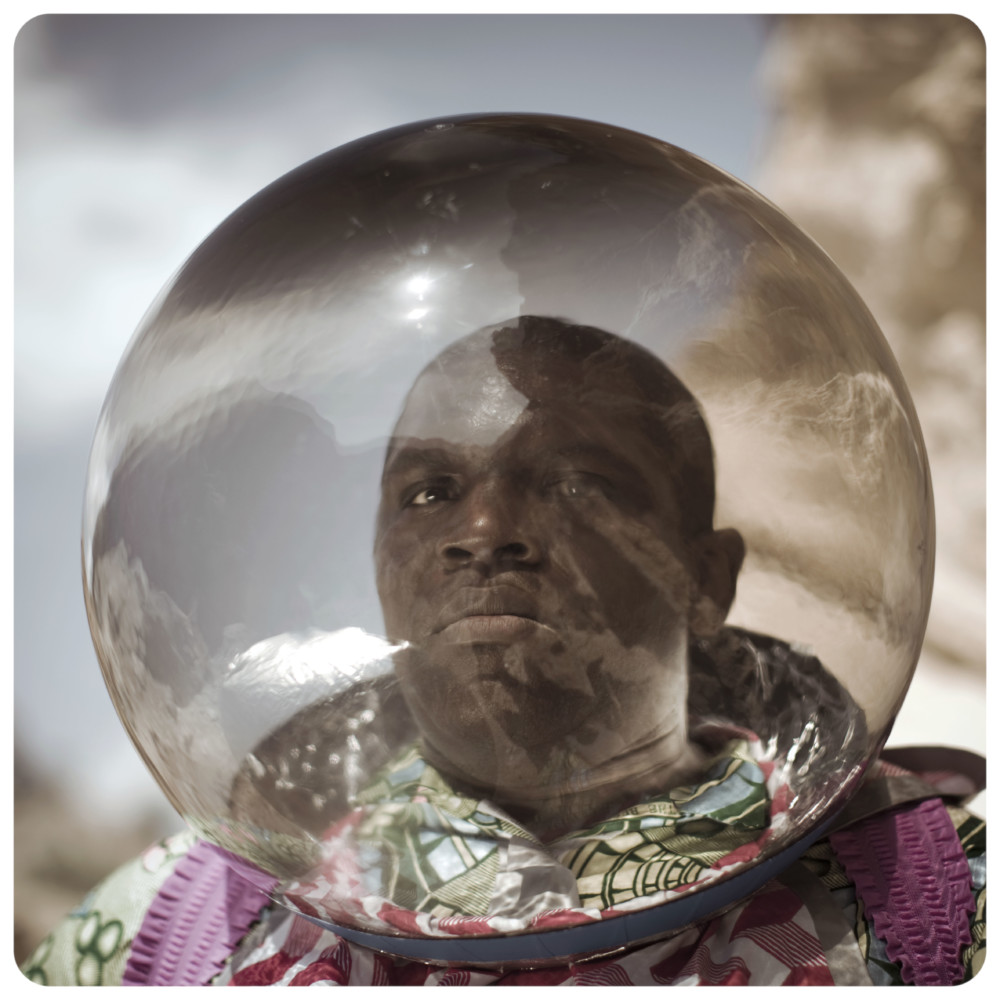
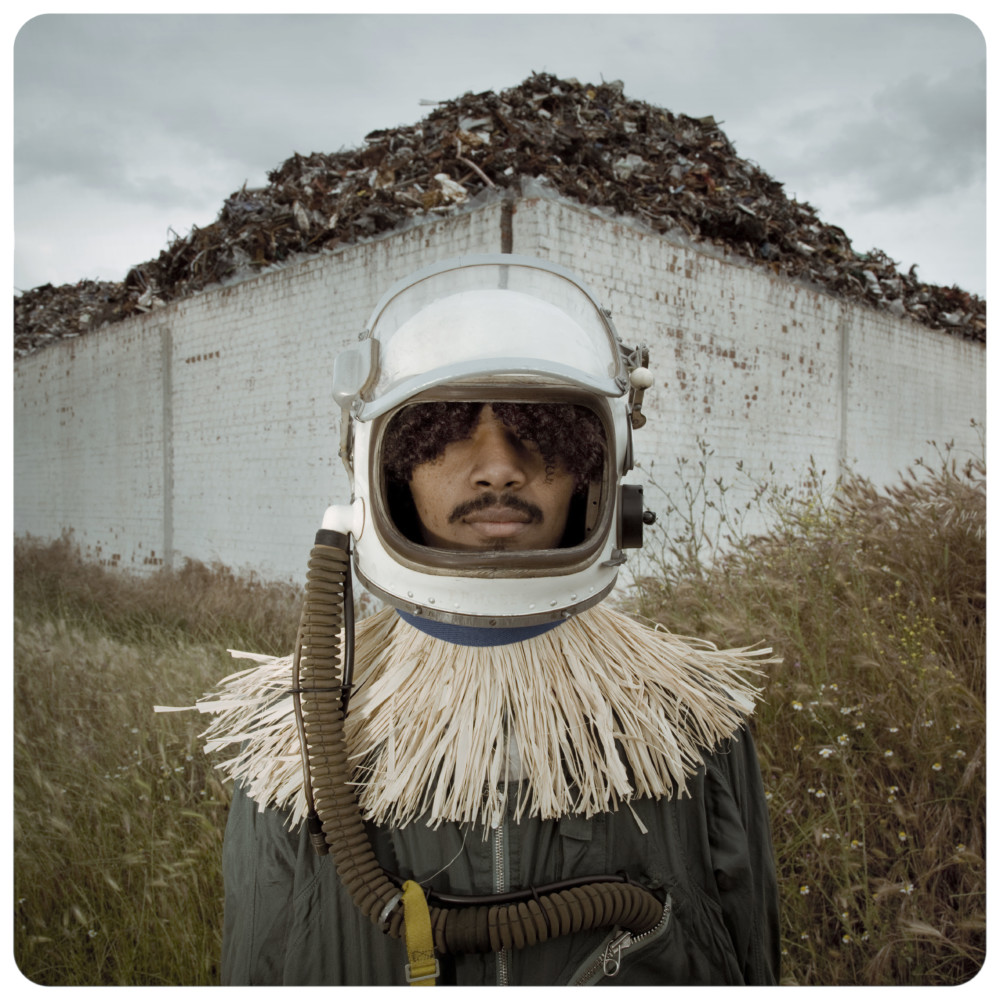
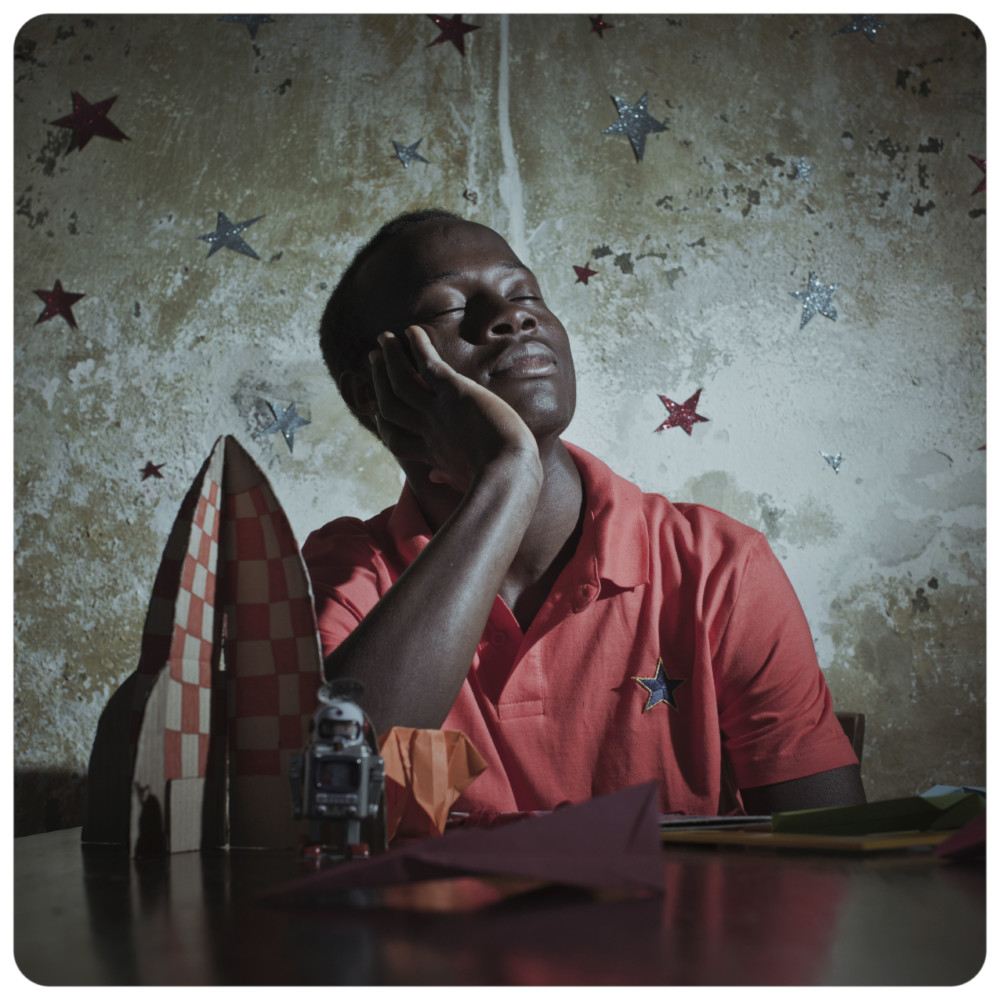
Cristina de Middel is a Spanish photographer who is based in both Mexico and Brasil. She joined the Magnum Photo Agency in 2017, however she did not become a full member until 2022. Before joining Magnum she had a ten year career as a photojournalist. She has a very broad portfolio as she has worked with the likes of Vanity Fair, Cristian Dior, The Noble Peace Foundation, Vogue and FC Barcelona. The main focus of her work is investigating photography’s ambiguous relationship with the truth. Middel believes that mass media has greatly influenced our outlook on life and that we lack a real understanding of the world because of this fact. One of her most well known works is “Afronauts”, a series where she highlights Zambia’s history of a failed space program from the 1960s. These staged re-enactments show a different side to Africa compared to what mass media shows us, and make people reconsider their stereotypical thoughts of Africa and the people in it. Another one of Middel’s well known projects, that is still ongoing, is Gentleman’s Club. This project began in 2015 in Rio de Janeiro, but as since expanded to Europe, Asia and North America. The project Gentleman’s club focuses on the unheard side of prostitution, the male clients. Middel exposes how women are always the target when discussing prostitution but yet the men requesting their services are never given the same treatment.

The Calvert Journal

Laid bare

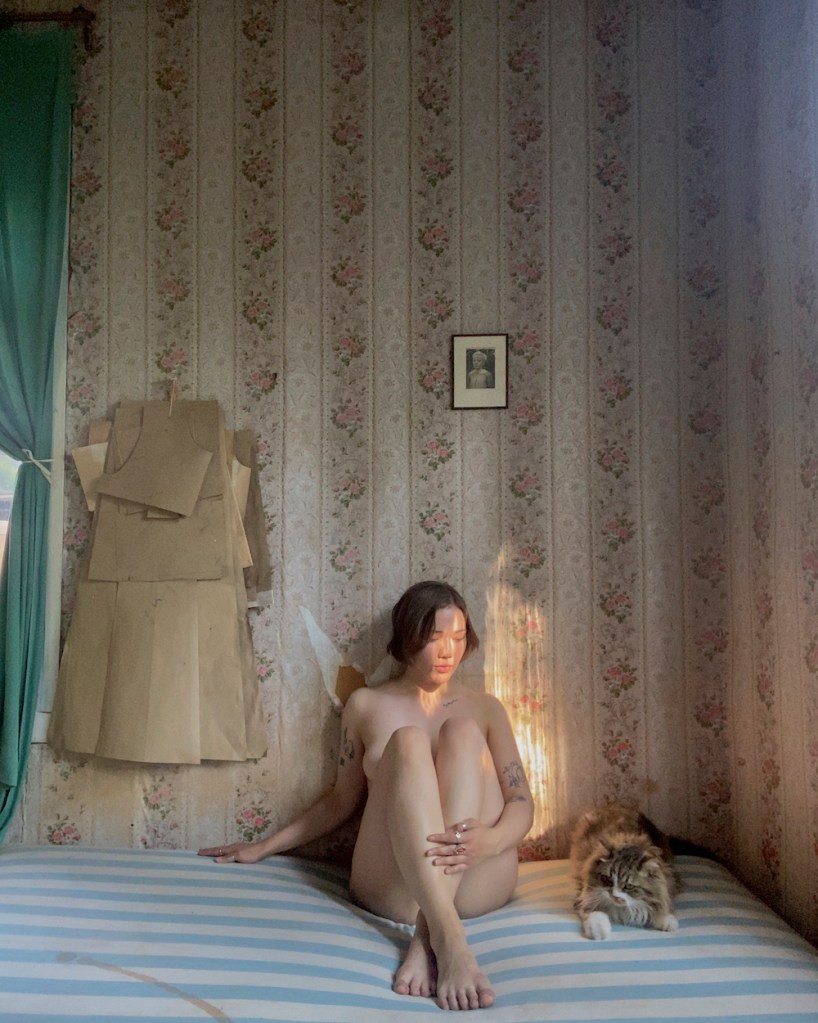
Emmie America, who is a London based Russian photographer, supported feminist illustrator Yucaipa Tsvetkova through photography. Tsvetkova was accused of spreading “homosexual propaganda” and “producing pornographers materials” through her cartoons on her social media accounts, and as a result was arrested and put on trial in Russia. To show her support and solidarity with Tsvetkova, Emmie decided to publish a photoshoot containing more than 50 images of nude women. These women were photographed nude in a non sexual way to bring attention to Tsvetkova’s case. Emmie’s photoshoot was also part of an instagram flashmob, were other women posted non sexual nude photos as a a show of support for Tsvetkova.

I chose this project as I admired how so many women united together to support a woman they didn’t even know. I loved the way Emmie portrayed the different kinds of female bodies in her shoot, showing that women come in all different shapes and sizes and all are extremely beautiful.

Post-Turism

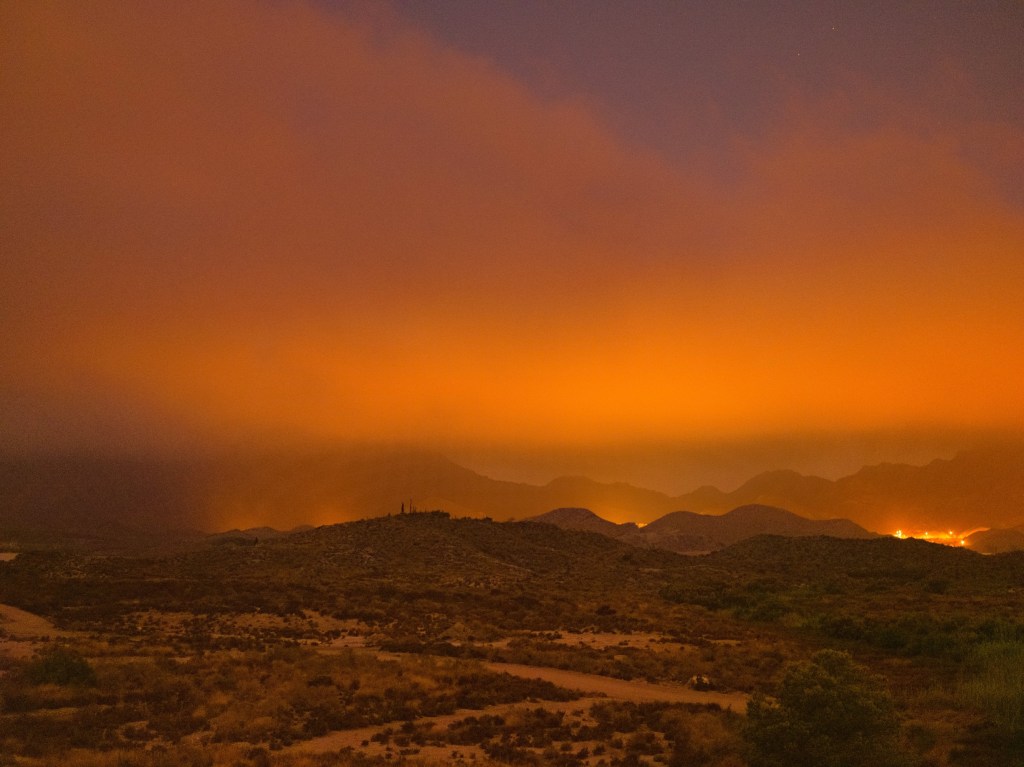
Ada Zielińska is a polish artist who is known for photographing destruction and chaos. She would travel the world and chase after wildfires, in places such as California and Australia, for her project Post-Turism. Her work brings awareness to the climate crisis going on in the world right now. While showing us the devastation caused by these wildfires, she also shows us how humans can find beauty in destruction. Her photography is almost like a guilty pleasure, as we shouldn’t find these devastating fires beautiful and intriguing but we do.

I really admired how Zielińska managed to capture something so horrific yet captivating at the same time. It made me yearn for more of this beautiful destruction while also wanting it to end. I found it interesting how the human desire craves for this destruction despite what it’s turning our word into. Without destruction there can’t be creation and I find that concept extremely fascinating.

Makeup is both armour and a weapon

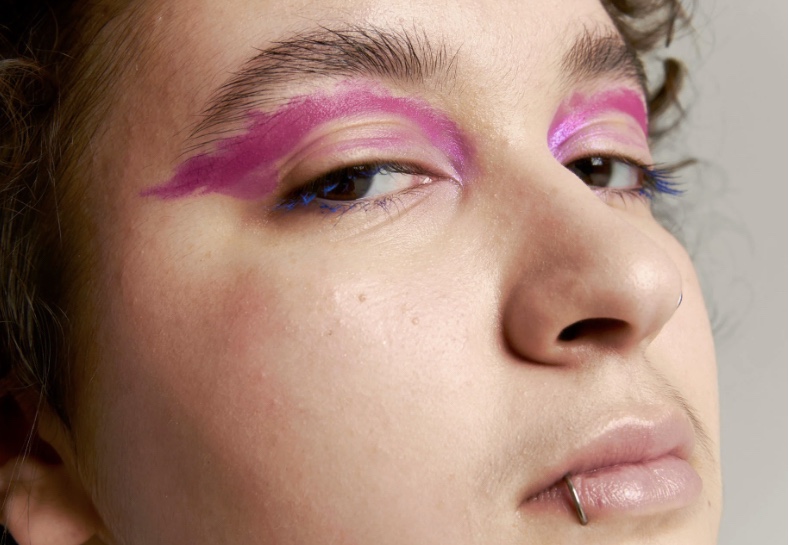
Photographer Miliyollie and Make up artist Sasha volkova teamed up to celebrate the queer youth of Russia, a vulnerable group of people who use make up to rebel against the status quo. In conservative Russia the beauty standards are very old fashioned, men should appear masculine and women should appear feminine. These beauty standards make it difficult for queer people to express themselves, fit in or simply exist in society. Makeup challenges these outdated gender norms and allows the queer community to free themselves and explore their identity. Makeup can be used to reveal not just their feminine side but also their masculine side, which contradicts these societal norms. A persons gender should not have to correspond with what make up they can and cannot wear. Miliyollie’s photos highlight how make up can be used as a catalyst for self confidence while also being used as a tool for standing up against an oppressive patriarchal society.

I was drawn to this project and the more I looked into it the more I connected with it. As someone who is very passionate about makeup, I can relate to the struggles and expectations involved with wearing makeup. Society tries to confine you into a box, limiting how you express and free yourself. Makeup is a way of escaping this box and allowing yourself to explore your identity to the fullest. This is what I love about makeup, as there’s no rules or limits to it. As a queer person myself, makeup is a huge outlet for me and I definitely see it as my armor and my weapon.