In the third episode of “The Genius of Photography”, the topic of photojournalism throughout history is discussed. This idea of being in the right place at the right time is a key part of photography for photojournalism. If you are standing back on the sidelines then you are missing out on an opportunity to capture a groundbreaking image. Each photographer mentioned in this episode was at the right place at the right time and became an eyewitness to a moment of history. The documentary also highlights how being at the right place at the right time is not always a good thing. Many of these photographers are scarred and haunted by the images they saw. They could physically feel the pain and suffering displayed in these images.
Henri Cartier-Bresson
Henri Cartier-Bresson was described as “The Godfather of Photography”. He was a French humanist street photographer and was also one of the founders of the Magnum Photography Agency. He had a sixth sense for when things were going to happen and was always ready with his camera to get the perfect shot. His photo “Gare Saint-Lazare” is his most famous piece of work. This photo transformed photography and influenced many other photographers to try to be in the right place at the right time before taking a photo.

Robert Capa
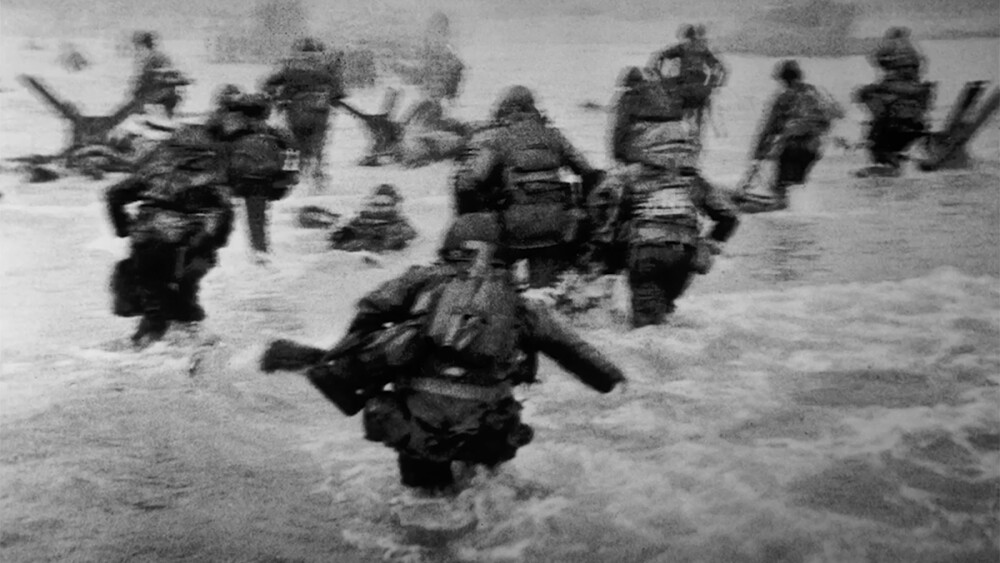
Robert Capa was a Hungarian American war photographer. Despite despising war he was always part of the action, ready to capture moments that truly defined how brutal is. He photographed many wars throughout history such as the Spanish Civil War and World War II. He was an eyewitness to the allied victories in north Africa, the Normandy landings, the Allied capture of Leipzig and many other key moments in history. Robert Capa’s two rules for photojournalism was get close and then get closer.
Shomei Tomatsu
Shomei Tomatsu was considered to be one of the most influential Japanese photographers to emerge from post-war Japan. He is famous for his photographs showing how World war II impacted Japan, especially Hiroshima and Nagasaki, sixteen years later. There wasn’t any images of the aftermath of the war on Japan, and so Tomatsu made it his mission to document this tragedy. He found places and artefacts that had survived the bombings, as evidence of what was left behind.

Henryk Ross
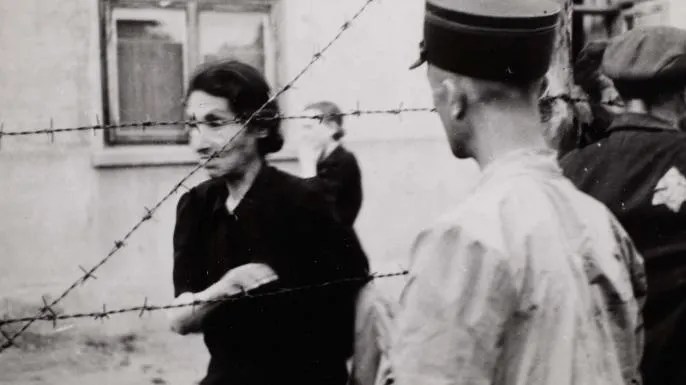
Henryk Ross, who was Polish and of Jewish heritage, worked for the Polish Press as a photographer before WWII. When WWII broke out Ross was living in Lodz and was employed by the Jewish Administration to photograph propaganda of the ghetto. Despite being a propaganda photographer, Ross also photographed what was really going on and kept a record of it. Ross’s work revealed the harrowing truth of what the Jewish people had to go through in these concentration camps.

 Lisa Burke CM122