BBC documentary “We are family”, which is part of the series “The Genius of Photography”, explores personal relationships through photography and focuses mainly on portraiture photography. This documentary also focuses on what happens when photographers turn the camera on themselves rather then on a subject. The documentary highlights the struggles that photographers go through and how photography as a whole can bring people together like a family.
Diane Arbus was the person who stood out to me the most in the documentary. Her portraiture photography earned her the reputation of one of the most controversial and greatest portrait photographer of all time. Arbus was curious about her subjects, and I believe she had this curiosity because she saw herself in these subjects. Arbus would actively seek out people who reflected parts of herself, such as her anxieties, insecurities, fears and vulnerabilities. She despised herself and used her subjects as a form of escapism. Nan Goldin stated “The degree of empathy she had was because she desperately didn’t want to be herself”, which explains why Arbus had such an emotional connection to her subjects because she believed she was photographing herself in a way.
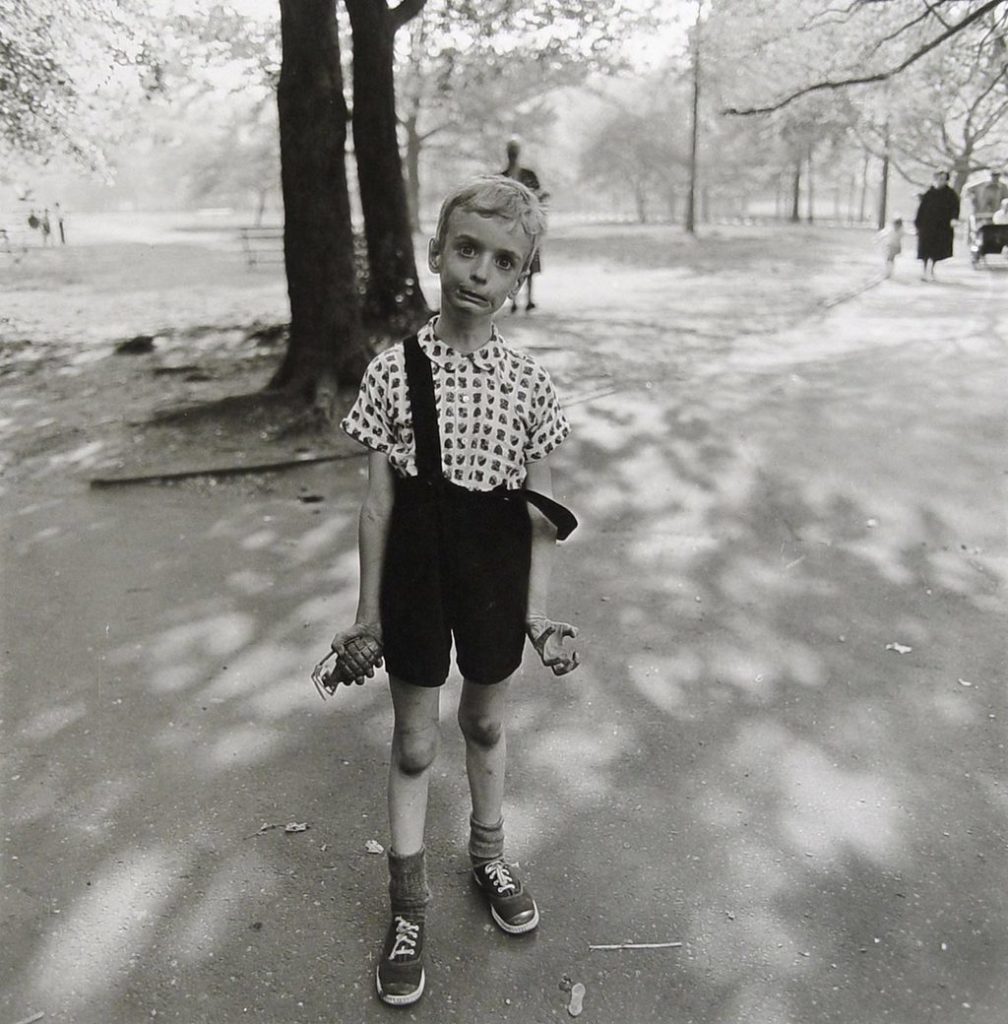
Arbus was drawn to the marginalized groups and outcasts of society. These people were easy to photograph as they were out in the open on the streets. Despite being out in the open people would choose to pretend they didn’t exist and that they couldn’t see them, however Arbus saw them. She chose to look at this particular group of people through a lens and captured their raw essence. Arbus strongly believed that photography had the power to steal and exploit other people’s lives. In a way Arbus could be seen as being selfish as she wasn’t exploiting theses marginalized groups for the public but for herself. She wanted to become the people she photographed as a way to leaver her own life behind. While everyone else described these outcasts as freaks she described them as aristocrats, as she thought they had already passed life’s test.
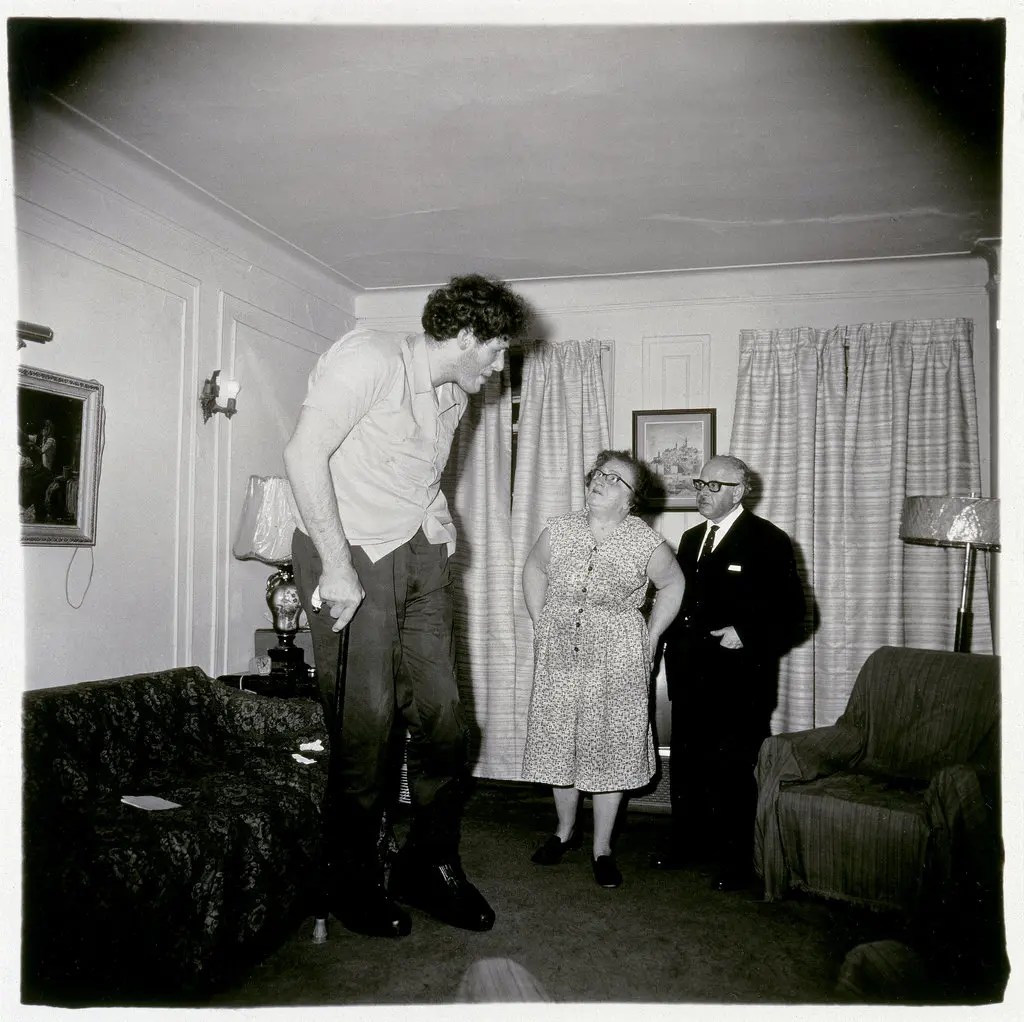
Arbus was very soft spoken. She spoke so quietly that people had to lean in to listen to what she was saying. This worked out well for Arbus as this tactic captivated her subjects and made them want to be a part of her work. They found her intriguing and wanted to understand her just like she would try and understand them.
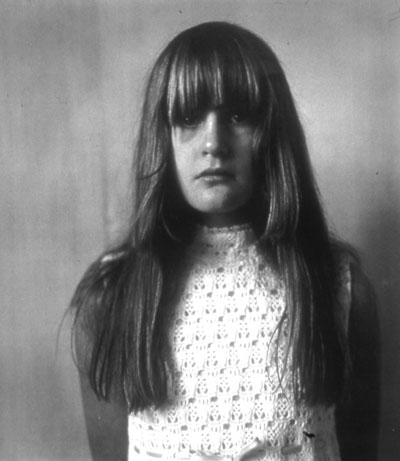
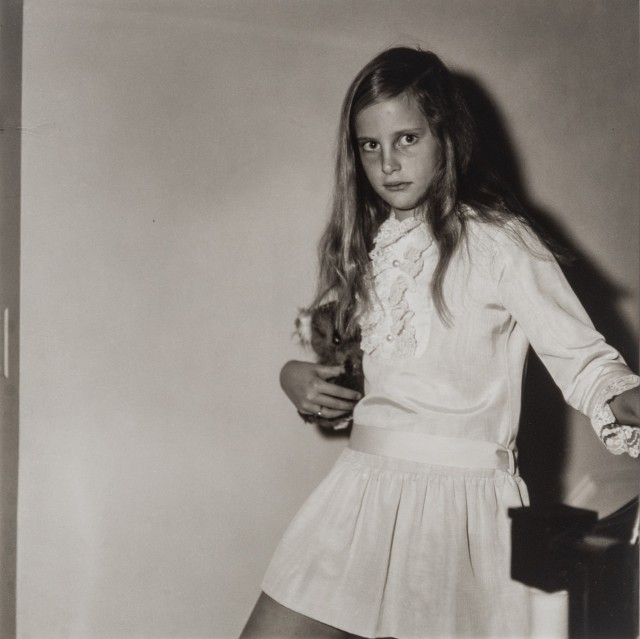
When Arbus would photograph her subjects she rarely gave them any direction. She would allow them to present themselves as how they are right in that moment. This could be seen when she was hired by the Mathaei family. The Mathaei family were quite wealthy and despite what people told them about the kind of photography Arbus did, they still decided to hire her. It was obvious in the pictures that Arbus favoured the children as her subjects rather then the adults. The reason for this being that children are more honest with their emotions. They let you know exactly how they are feeling in front of the camera which is what Arbus wanted to be seen in her portraiture.

 Lisa Burke CM122